

Roof Leaks in Winter: When Homeowners Insurance Covers the Damage, and When It Doesn’t
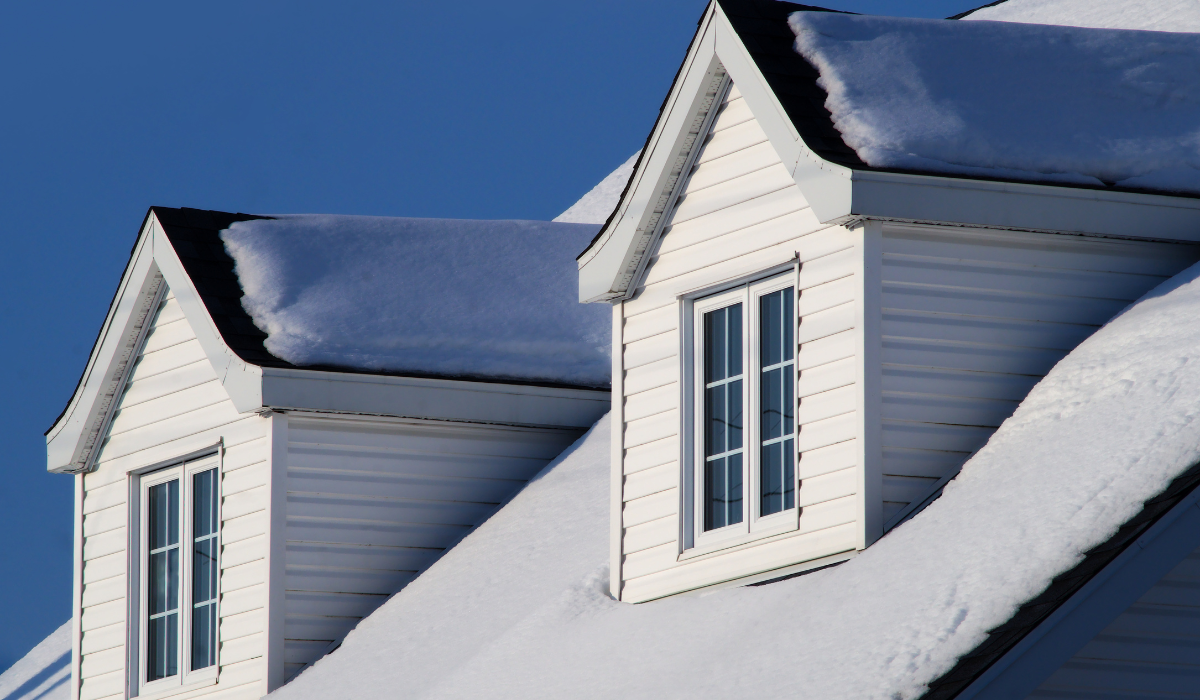
Winter brings cold, snow, ice, and freezing temperatures. For many Pennsylvania homeowners, it also brings anxiety about roofs and leaks.
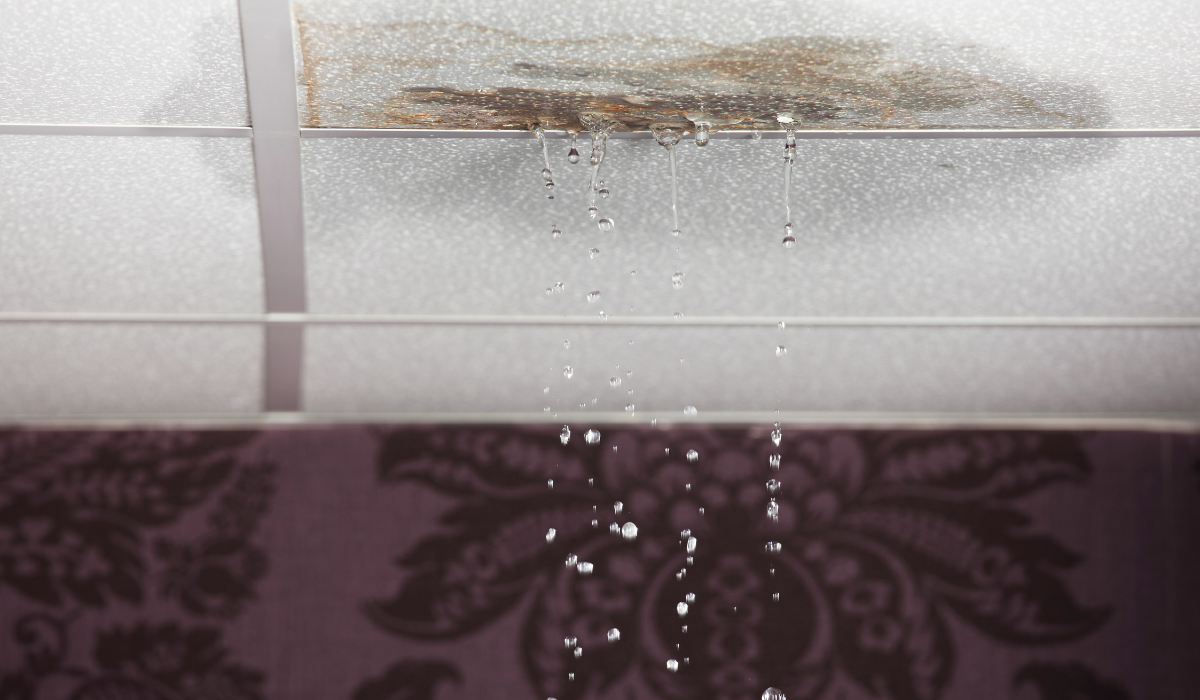
A stained ceiling. A wet attic. Moisture on interior walls. The first thought is often, “Will my insurance cover this?”
The short answer is: It depends on the cause of the leak.
Roof leaks can look the same from the inside, but the reason water enters makes all the difference in claims.
In this article, we break down the most common winter roof leak scenarios in Pennsylvania, how homeowners insurance typically responds, and what you should do right away to protect your home and your coverage.
Why roofs leak more in winter
In winter, roofs are under stress they don’t face in other seasons.
Snow sits on the surface. Ice forms at the edges. Warm attic air meets cold roof materials. Those conditions create circumstances that lead to leaks.
Here are the most frequent winter leak causes:
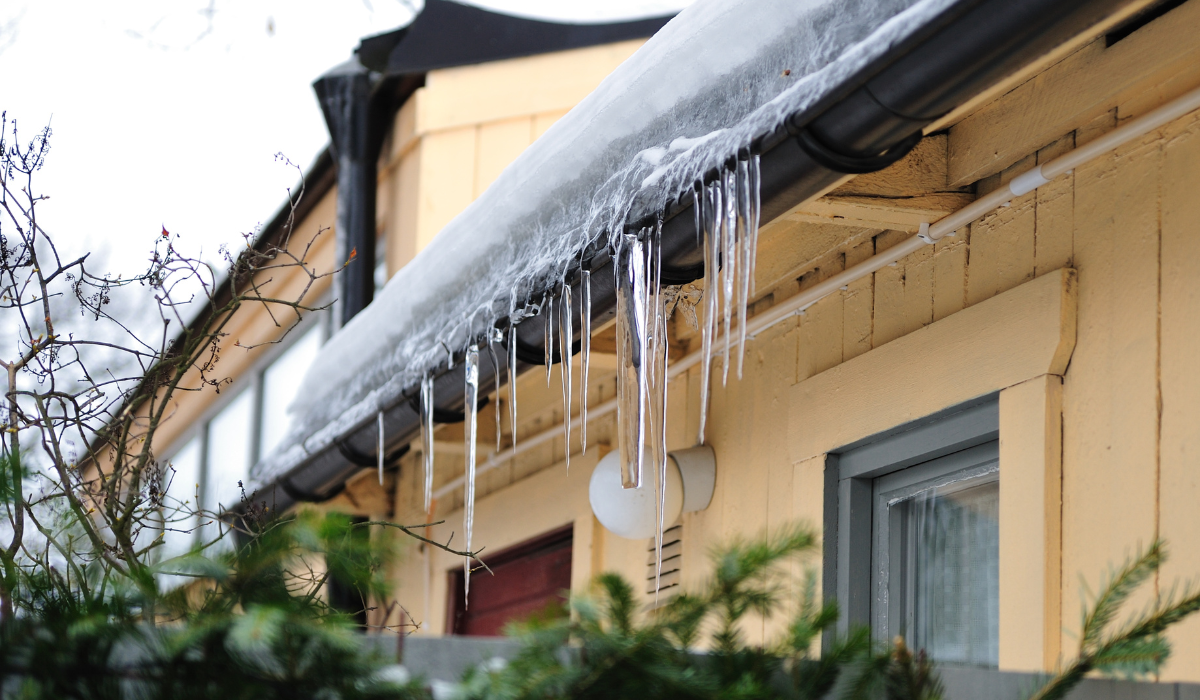
Ice dams that hold meltwater against the roof
Wind driven snow or rain forced past flashing
Heavy snow or ice weight damaging roofing materials
Freeze and thaw movement opening small gaps
Some of these conditions result in sudden damage that may be covered by homeowners insurance. Others involve long-term issues the insurance company may treat as maintenance or wear and tear.
How insurance evaluates winter roof leaks
Insurance coverage for roof leaks is almost always based on how the damage occurred, not simply that water appeared inside your home.
Most homeowners policies are intended to protect against sudden and accidental damage, not gradual deterioration or neglect. That means:
If winter weather causes a sudden breach, coverage is more likely
If the leak is tied to long-term issues, coverage may be limited or denied
The critical factor for coverage is whether the cause is a covered peril under your specific policy language.
When winter roof leaks are typically covered
There are several winter-related scenarios where homeowners insurance often helps cover leak damage.
Ice dams forcing water into the home
Ice dams occur when melting snow refreezes at the roof edge. Water that cannot drain builds up and can push under shingles.
Because this water intrusion happens suddenly during freezing conditions, resulting interior damage may be covered depending on your policy form and facts of loss.
Wind driven snow or rain
Powerful winter storms can force moisture past roof edges, vents, or flashing in ways that do not happen in calm weather.
When wind driven rain or snow enters suddenly, insurance companies generally consider that a covered event.
Structural damage from snow or ice weight
Heavy snow and ice accumulation can damage roof structures in winter.
If the weight of snow or ice causes part of your roof to fail, insurance may cover resulting interior damage as a covered peril.
Falling trees or branches
A tree limb crashing into a roof during a winter storm is typically treated like other storm-related damage.
This kind of sudden impact is usually included under standard homeowners insurance.
When winter roof leaks are often not covered
Not all winter roof leaks are treated the same by insurers. The most common reasons a claim may be excluded include:
Gradual wear and tear
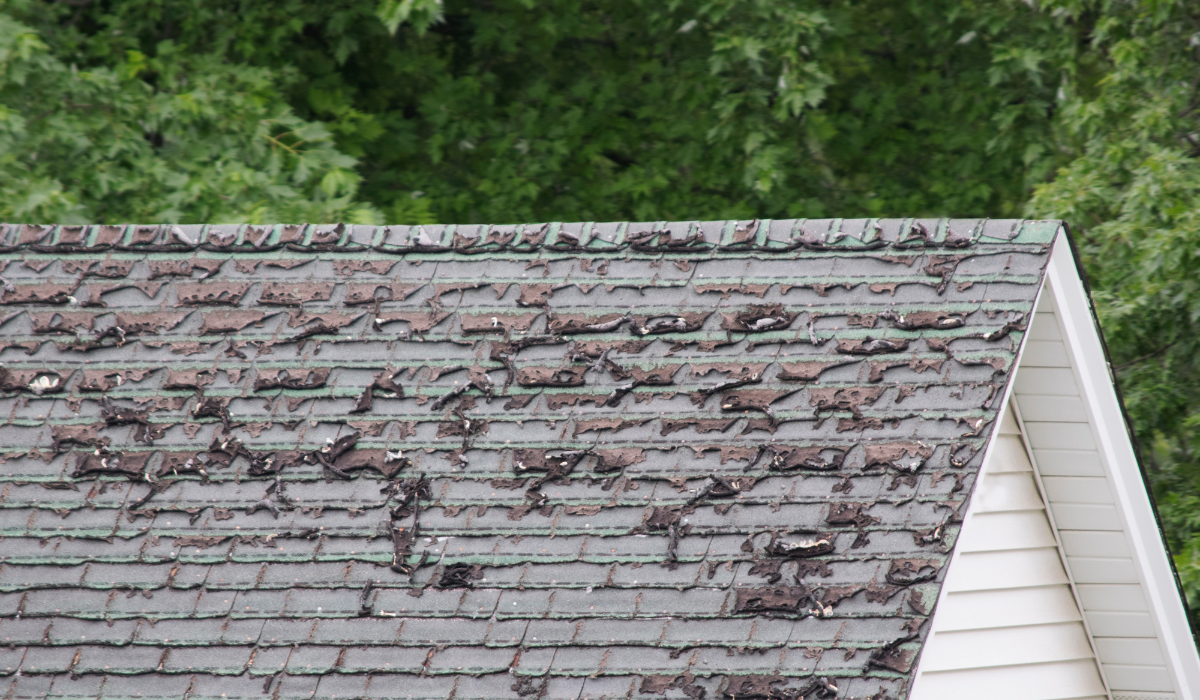
If shingles are old, flashing has deteriorated, or the roof has reached the end of its expected lifespan, winter may expose these weaknesses. Insurance usually does not cover damage that results from normal wear and tear or lack of maintenance.
Slow leaks that existed previously
Insurance companies may view a leak that developed over time as a maintenance issue. If the cause can be linked to pre-existing seepage, coverage may be denied.
Condensation issues
Warm moist air in the attic can condense on cold surfaces and drip. Although it looks like a roof leak, condensation is a ventilation or insulation problem. Insurance rarely covers this since it is considered a housekeeping or maintenance issue.
Failure to mitigate further damage
Once a leak is discovered, policyholders have a duty to reduce additional damage where reasonably possible. Ignoring ongoing leaks or delaying repairs may lead to partial or full denial of the resulting damage.
What to do right away if you find a leak
If you discover a leak during winter, how you respond matters. Quick action can limit damage and strengthen your claim.
Step 1: Secure safety
Avoid stepping onto icy roofs. Water and ice together are a hazardous combination.
Inside the home, clear the area of valuables and electronics. Place containers under active drips to collect water.
Step 2: Document the condition
Take clear photos and video of wet areas, stains, ceiling damage, rooflines from the ground, and any visible issues.
Include time, date, and weather conditions in your notes.
Step 3: Take reasonable mitigation steps
If safe and practical, place temporary tarps or covers over problem areas. Record receipts for any materials or services used.
Dry the affected space using fans or dehumidifiers if available. Keeping moisture from spreading is critical.
Step 4: Contact your agent early
Your agent can help you understand how your specific policy applies and what documentation the insurance company will request.
Calling early ensures you take the right steps without accidentally harming coverage.

Tips to reduce winter roof leak risk
While winter cannot be avoided, the conditions that lead to leaks can be reduced.
Balanced attic insulation and ventilation help keep roof temperatures consistent and reduce the formation of ice dams. Clearing heavy snow with a roof rake after storms helps meltwater flow instead of pooling. Keeping gutters clear allows proper drainage. Sealing attic air leaks around vents, fixtures, and attic penetrations prevents warm, moist air from creating condensation that mimics leaks.
Wrap up
Roof leaks in winter are common in Pennsylvania. Not all are covered by homeowners insurance. What matters most is why the leak occurred.
Sudden, storm-related damage is more likely to be covered. Gradual wear, age, and maintenance issues are not usually covered. Acting quickly, documenting carefully, and involving your agent early can make a significant difference.
If you have questions about how your homeowners insurance treats winter roof leaks, or if you want a policy review before the next big storm, Ebensburg Insurance Agency can help.

