

What Happens to Your Insurance When You Work From Home or Run a Side Business
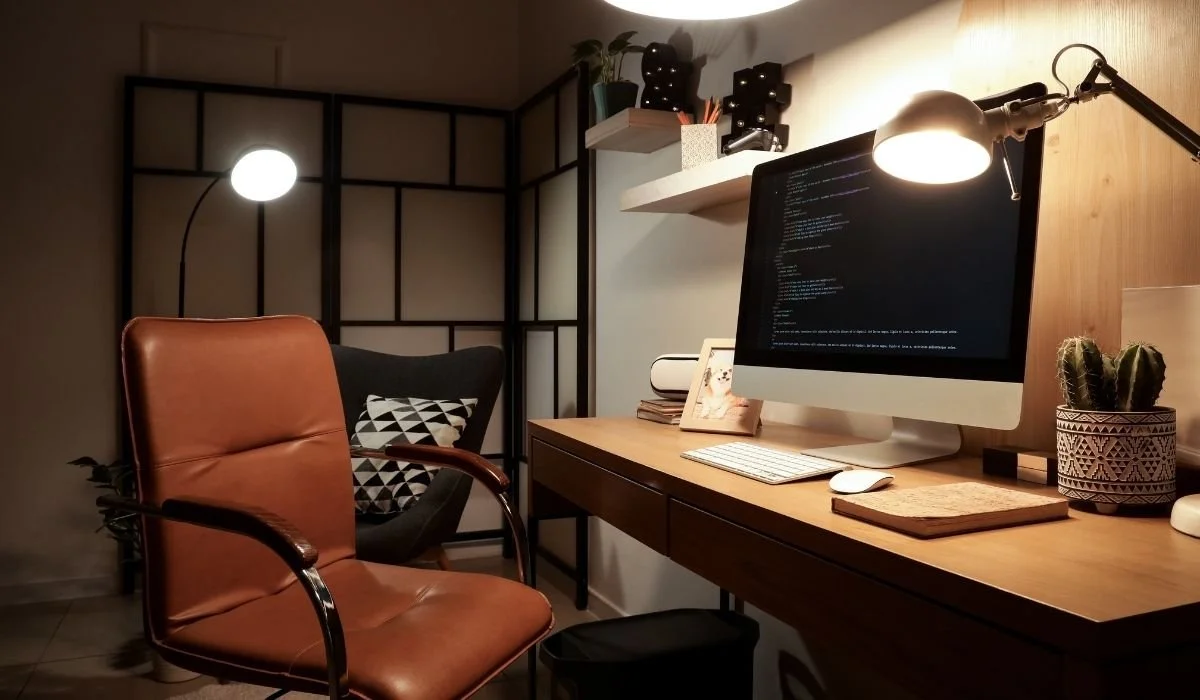
Working from home is no longer the exception. For many Pennsylvania households, it is part of everyday life.
Some people work remotely for an employer. Others run a small side business out of their home. Many do a mix of both.
What often gets overlooked is how those changes affect insurance.
Homeowners and auto policies are built around personal use. When work activity enters the picture, coverage assumptions can quietly shift. That shift is rarely obvious until something goes wrong.
This article explains how working from home or running a side business can impact your insurance, where gaps often appear, and what to review before a claim exposes a problem.
Why working from home changes insurance risk
Insurance policies are written based on how property and vehicles are used.
A home that is used strictly for living has a different risk profile than a home where business activity takes place. The same applies to vehicles, equipment, and liability exposure.
Even small changes can matter. Storing inventory in a spare room, meeting clients at your home, or using a personal vehicle for deliveries can all alter how a policy responds.
These changes do not automatically void coverage, but they can limit or exclude it if the policy was not designed for business use.

Remote employees vs. side business owners
Not all work from home situations are treated the same.
If you are a remote employee working for an employer, the insurance impact is often limited. You are generally performing clerical or computer-based work, and the employer may carry insurance for business equipment or liability tied to your job.
Side businesses are different. When you operate a business from your home, even on a small scale, you are creating new exposures that homeowners insurance was not designed to handle.
Understanding which category you fall into is the first step in avoiding coverage surprises.

How homeowners insurance typically responds
Homeowners insurance is primarily designed to cover personal property and personal liability.
Most policies provide limited coverage for business property kept at home. That limit is often much lower than people expect and may not apply at all once property leaves the house.
Liability coverage is also restricted. If a client, customer, or delivery person is injured in connection with business activity at your home, homeowners liability coverage may not apply.
This does not mean working from home is uninsured. It means the standard policy has boundaries that are easy to cross without realizing it.
Common coverage gaps people miss
Many coverage issues come from everyday situations that do not feel risky.
A laptop used for freelance work may not be fully covered if it is damaged or stolen. Inventory stored in a basement may exceed business property limits. A customer slipping on icy steps may not trigger homeowners liability protection.
Vehicles are another frequent issue. Using a personal vehicle for deliveries, client meetings, or transporting tools can blur the line between personal and business auto use. In some cases, a personal auto policy may limit or exclude coverage once business use becomes regular.
None of these gaps are obvious until a loss occurs.

When insurance problems usually surface
Most people discover coverage issues during a claim.
A fire damages business equipment stored at home. A water leak ruins inventory. A customer is injured during a pickup. A vehicle accident happens while running a business errand.
At that point, the insurance company reviews how the property or vehicle was being used. If business activity is involved, coverage can change quickly.
This is why proactive review matters more than reactive fixes.
Options that can help close the gaps
Insurance solutions for work from home and side businesses are often simpler than expected.
In some cases, a homeowners policy can be endorsed to provide limited business property or liability coverage. This works best for very small operations with minimal exposure.
For larger or growing side businesses, a separate business policy may be appropriate. Business owners policies, professional liability, or commercial auto coverage can address exposures that personal policies cannot.
The right option depends on the type of work, the amount of equipment or inventory involved, and whether clients or customers interact with your home or vehicle.

Why disclosure matters
One of the biggest mistakes people make is assuming small business activity is not worth mentioning.
Insurance companies do not expect homeowners to predict every risk. They do expect honesty about how property and vehicles are used.
Disclosing work from home or side business activity allows your agent to guide coverage decisions and document the exposure properly. That documentation can make a significant difference if a claim is ever reviewed.
Silence does not protect coverage. Clear communication does.
What to review if you work from home
A few questions can help identify potential gaps.
Consider whether you store business equipment or inventory at home. Think about whether clients or customers ever visit your property. Review how often you use a vehicle for work-related tasks. Look at whether your income depends on the ability to operate from home without interruption.
If any of those apply, it is worth reviewing how your current policies respond.

Wrap up
Working from home and running side businesses are normal parts of modern life. Insurance policies have not always kept pace with those changes.
Homeowners and auto insurance can still provide protection, but only when the exposure fits within the policy’s design. When business use expands, coverage often needs to evolve as well.
A quick review now can prevent difficult conversations later, especially after a loss has already occurred.
If you are unsure how your work from home or side business activities affect your insurance, Ebensburg Insurance Agency can help you review your coverage and identify options that fit your situation.
