

Identity Theft and Insurance: What Protection You Actually Have
Identity theft is no longer rare, and it is no longer limited to large data breaches or online shopping.
Stolen mail. Compromised passwords. Phishing emails. Tax fraud. These incidents affect individuals and families across Pennsylvania every year.
When identity theft happens, many people assume their insurance will step in automatically. In reality, coverage depends on the type of policy, the endorsements in place, and the costs involved.
This article explains how insurance typically responds to identity theft, what expenses may be covered, and where protection often falls short.
Why identity theft has become a common risk
Technology has made everyday life more convenient, but it has also expanded exposure.
Personal information is stored across banks, retailers, employers, healthcare providers, and government systems. A single breach can lead to months of recovery work for the individual affected.
Identity theft does not always involve large sums of money. It often creates indirect costs such as time off work, legal assistance, credit monitoring, and document replacement.
Those secondary costs are where insurance may or may not help.

What homeowners insurance may include
Some homeowners policies offer identity theft coverage through an endorsement. This coverage is not automatic and varies widely between policies.
When included, identity theft coverage typically helps with recovery expenses, not stolen funds. Covered costs may include legal fees, lost wages due to time spent resolving the issue, credit report expenses, and document replacement.
The coverage is designed to support the process of restoring your identity, not to reimburse fraudulent charges that are usually handled by banks or credit card issuers.
Without the endorsement, most standard homeowners policies provide no identity theft protection at all.

What insurance usually does not cover
Identity theft insurance does not function like fraud protection from a financial institution.
Insurance generally does not replace stolen money or reimburse fraudulent transactions. Those losses are typically handled through banks, credit card companies, or government agencies.
Insurance also does not prevent identity theft from occurring. It only helps with certain costs after the fact.
Understanding this distinction is important. Many people believe they are protected because fraud charges are reversed, only to realize later that the time and expense of recovery are not covered.
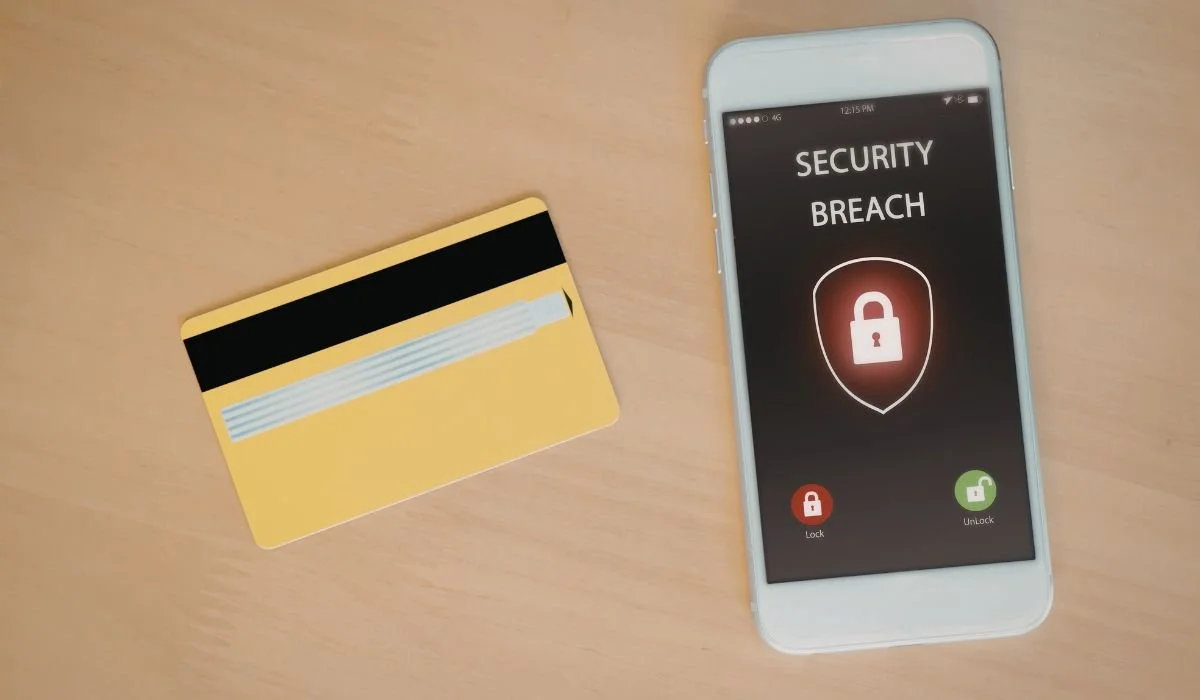
Common situations where coverage gaps appear
Coverage gaps often surface during the cleanup phase of identity theft.
A victim may need legal help to resolve tax fraud. Credit reports may need repeated corrections. Time away from work may be required to address ongoing issues. Without an identity theft endorsement, those costs are often paid out of pocket.
Even when coverage exists, limits apply. Policies may cap how much they will pay for recovery expenses, making it important to understand whether those limits match potential exposure.

How identity theft coverage differs from cyber insurance
Identity theft coverage for individuals is different from cyber insurance designed for businesses.
Business cyber policies focus on data breaches, liability, and regulatory exposure. Personal identity theft coverage focuses on recovery costs and personal financial disruption.
People who run side businesses from home should be especially careful. Personal identity theft endorsements may not extend to business-related identity losses.
When to review your protection
Identity theft coverage should be reviewed whenever financial or digital exposure changes.
Life events such as starting a business, working remotely, managing multiple financial accounts, or handling sensitive data can increase risk. Filing taxes, especially with multiple income sources, is another common trigger for fraud.
Reviewing coverage before a problem occurs is far easier than trying to add protection after identity theft has already happened.
Steps that help reduce risk
Insurance is only one part of protection.
Using strong passwords, monitoring credit reports, securing mail, and responding quickly to suspicious activity all reduce the likelihood of long-term damage. Insurance complements these efforts by helping with recovery costs, not replacing preventive habits.

Wrap up
Identity theft creates stress that goes far beyond financial loss. The time, frustration, and disruption can last for months or longer.
Insurance may help with recovery expenses, but only if the right coverage is in place. Many homeowners assume protection exists when it does not.
Understanding what your policy includes, and what it does not, is the best way to avoid surprises during an already difficult situation.
If you want to review whether your homeowners policy includes identity theft protection, or explore endorsement options, Ebensburg Insurance Agency can help you understand what coverage fits your needs.
