

Insurance Endorsements Homeowners Commonly Skip (and Regret Later)
Most homeowners believe their insurance policy is complete once it is in place.
They choose coverage limits, select a deductible, and assume everything important is handled. In reality, many of the most common and expensive coverage gaps come from endorsements that were never added.
Endorsements are optional additions to a homeowners policy. They expand, clarify, or modify coverage. Skipping them is easy because nothing feels missing, until a loss happens and coverage falls short.
This article explains the homeowners insurance endorsements people most often skip, why those endorsements matter, and how small decisions can have a big impact during a claim.
Why endorsements are easy to overlook
Homeowners insurance policies are standardized, but homes are not.
A base policy is designed to cover common risks for an average household. Endorsements exist to address situations that fall outside that average. The challenge is that those situations often feel normal to the homeowner.
Basements, updated appliances, home offices, valuable jewelry, and local building codes all create exposures that a standard policy may only partially cover, or not cover at all.
Because endorsements are optional, they are often overlooked during initial setup and forgotten as homes and lifestyles change.

Water backup coverage
One of the most frequently missed endorsements is water backup coverage.
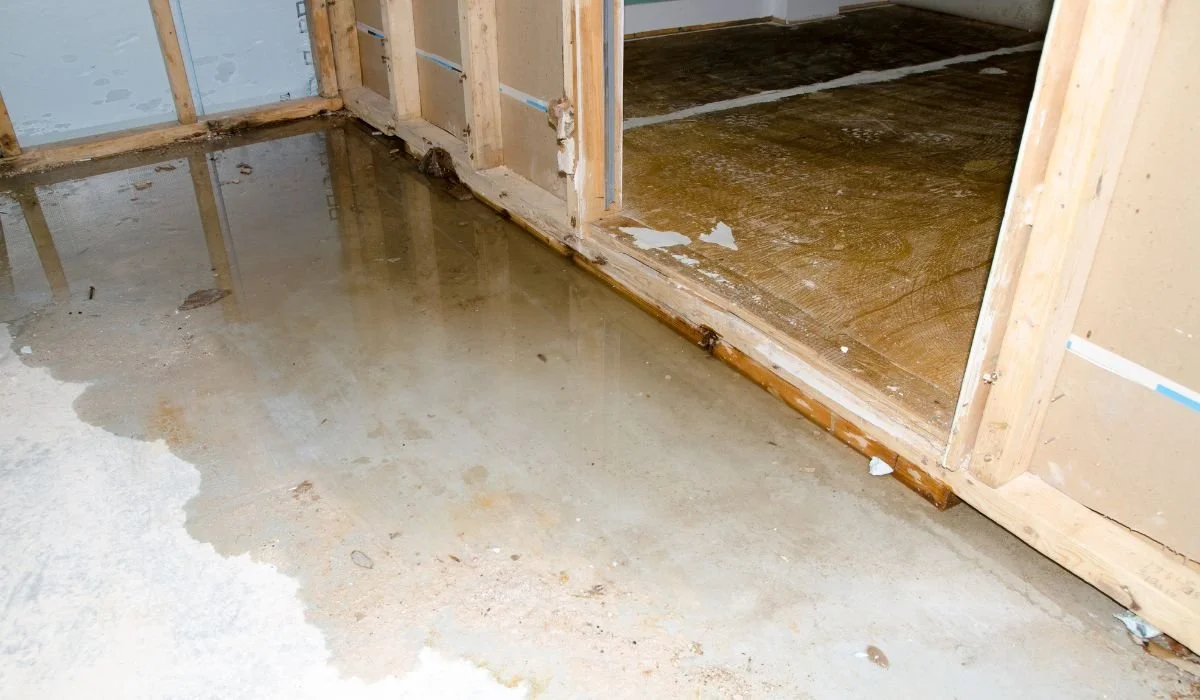
This endorsement protects against damage caused by water backing up through sewers, drains, or sump pumps. Many homeowners assume water damage of any kind is covered. That assumption is often incorrect.
A failed sump pump during heavy rain, or a sewer backup into a basement, can cause significant damage. Without the proper endorsement, that damage may not be covered at all.
Water backup losses are common, expensive, and emotionally stressful. This endorsement is usually affordable, which makes it one of the most regretted omissions after a claim.
Equipment breakdown coverage
Modern homes rely heavily on electrical and mechanical systems.
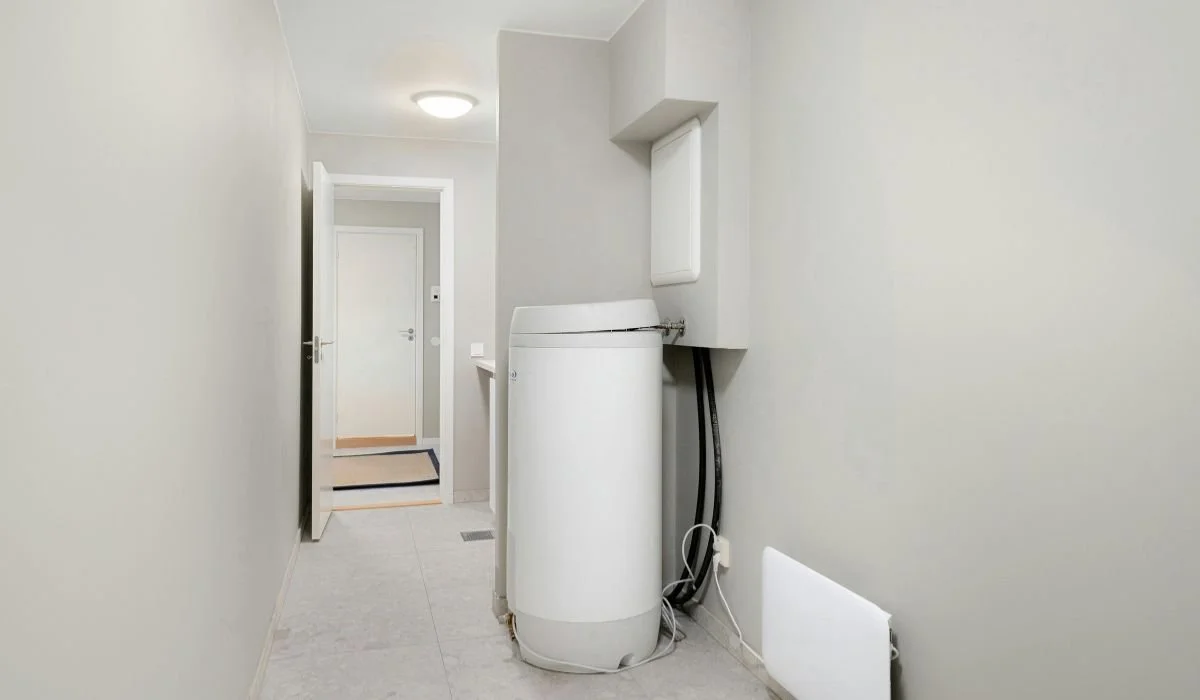
Heating systems, air conditioning units, water heaters, and major appliances can fail due to electrical surges or mechanical breakdowns. Standard homeowners insurance typically covers damage caused by external events, not internal breakdown.
Equipment breakdown coverage fills that gap. It helps pay for repairs or replacement when systems fail due to mechanical or electrical causes, not just fire or storm damage.
As homes become more technologically dependent, this endorsement has become increasingly relevant.
Scheduled personal property coverage
Many homeowners own items that exceed standard policy limits without realizing it.
Jewelry, firearms, collectibles, musical instruments, and certain electronics often have sub-limits under a basic homeowners policy. That means the policy may cover only a fraction of their value.
Scheduled personal property coverage allows specific items to be listed and insured for their full value. It often broadens coverage to include accidental loss, not just named perils.
People usually discover the need for this endorsement only after a loss, when reimbursement falls far below expectations.

Ordinance or law coverage
Building codes change over time.
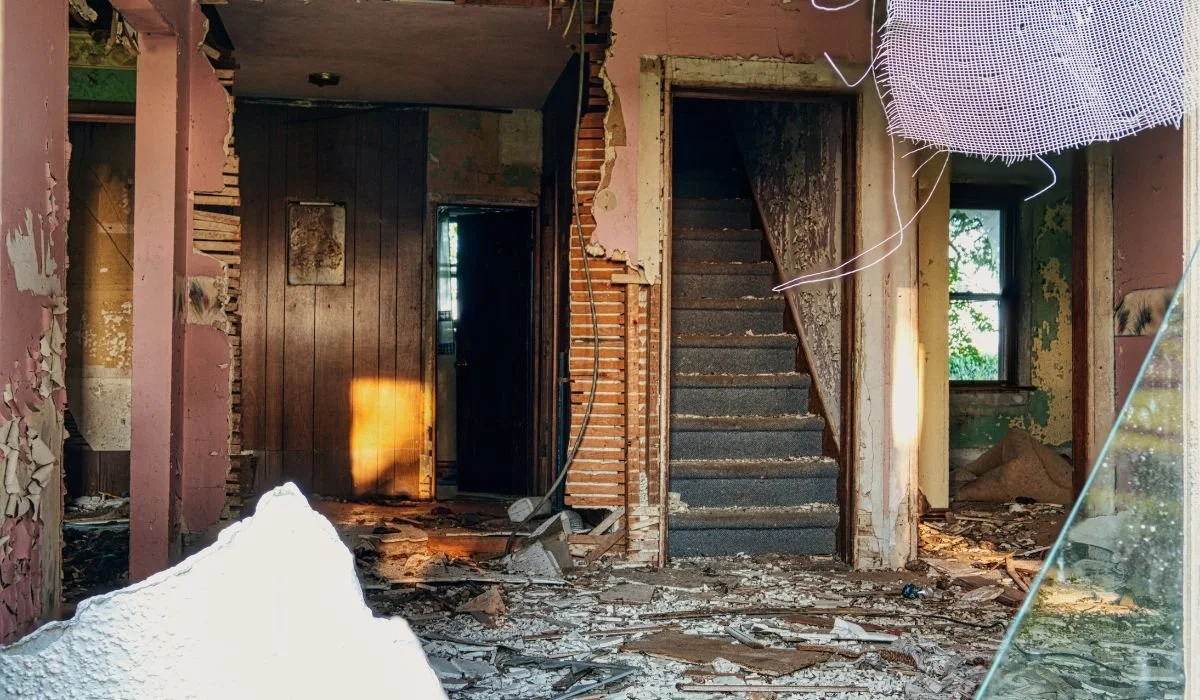
If an older home is damaged and must be repaired or rebuilt, current codes may require upgrades that were not part of the original structure. Standard homeowners policies often limit coverage for those additional costs.
Ordinance or law coverage helps pay for required upgrades when rebuilding after a covered loss. Without it, homeowners may be responsible for significant out-of-pocket expenses, even when the initial damage is covered.
This endorsement becomes more important as homes age and codes evolve.
Why these gaps matter during claims
Coverage gaps rarely become obvious during normal life.
They surface during stressful moments, when homeowners are already dealing with damage, displacement, or financial pressure. At that point, adding coverage is no longer an option.
Claims are handled based on the policy in force at the time of loss. If an endorsement was not included, the insurance company cannot retroactively apply it.
This is why proactive review matters more than assumptions.
How to know which endorsements you need
There is no universal endorsement checklist that fits every homeowner.
The right endorsements depend on how a home is built, how it is used, and what is stored inside it. Finished basements, aging infrastructure, valuable personal property, and local regulations all play a role.
Reviewing endorsements periodically is especially important after renovations, purchases of high-value items, or changes in how the home is used.
Wrap up
Homeowners insurance provides a strong foundation, but endorsements often determine how well that foundation holds up during a loss.
Water backup, equipment breakdown, scheduled personal property, and ordinance or law coverage are frequently skipped, not because they are unnecessary, but because they are misunderstood.
A brief conversation now can prevent costly surprises later.
If you want to review your homeowners policy endorsements or understand which options make sense for your home, Ebensburg Insurance Agency can help you evaluate coverage before a claim puts it to the test.
