

What Winter Insurance Claims Reveal About Coverage Gaps in Pennsylvania Homes

Every winter in Pennsylvania, insurance claims follow familiar patterns. Pipes freeze. Roofs leak. Driveways ice over. Vehicles slide. On the surface, these claims look predictable.
What is less predictable is what homeowners discover once the claim process begins.
For many policyholders, winter losses are the moment they realize their insurance coverage does not work exactly the way they assumed. Limits feel lower than expected. Deductibles feel higher. Certain damages are covered while others are not. Questions arise that were never asked before the loss occurred.
Winter insurance claims do more than highlight weather-related risks. They reveal coverage gaps, misunderstandings, and assumptions that can quietly exist for years.
Understanding what these claims commonly uncover can help homeowners approach their insurance with clearer expectations and better long-term protection.
Winter Claims Often Expose Assumptions, Not Mistakes
Most homeowners do not intentionally underinsure their property. Coverage gaps usually form slowly, through assumptions rather than poor decisions.
Common assumptions include:
“I’m fully covered if something happens.”
“Water damage is water damage.”
“If my roof leaks, insurance will pay.”
“Liability coverage is just a formality.”
“My policy hasn’t changed, so my coverage hasn’t either.”
Winter claims tend to challenge these assumptions because winter losses are complex. Damage may involve multiple causes, delayed discovery, or maintenance-related issues that insurance treats differently than sudden events.
This is often the first time homeowners read their policies closely.
Water Damage Claims Are Where Confusion Starts
Water-related claims are some of the most common winter losses in Pennsylvania, and also some of the most misunderstood.
Many homeowners are surprised to learn that insurance coverage depends heavily on how the water damage occurred.
Generally, insurance is designed to cover:
Sudden and accidental damage
Events that happen unexpectedly and cause immediate harm
Winter water claims often raise questions such as:
Did the pipe burst suddenly or fail over time?
Was the home adequately heated?
Was the damage discovered promptly?
Was there visible neglect or delayed maintenance?
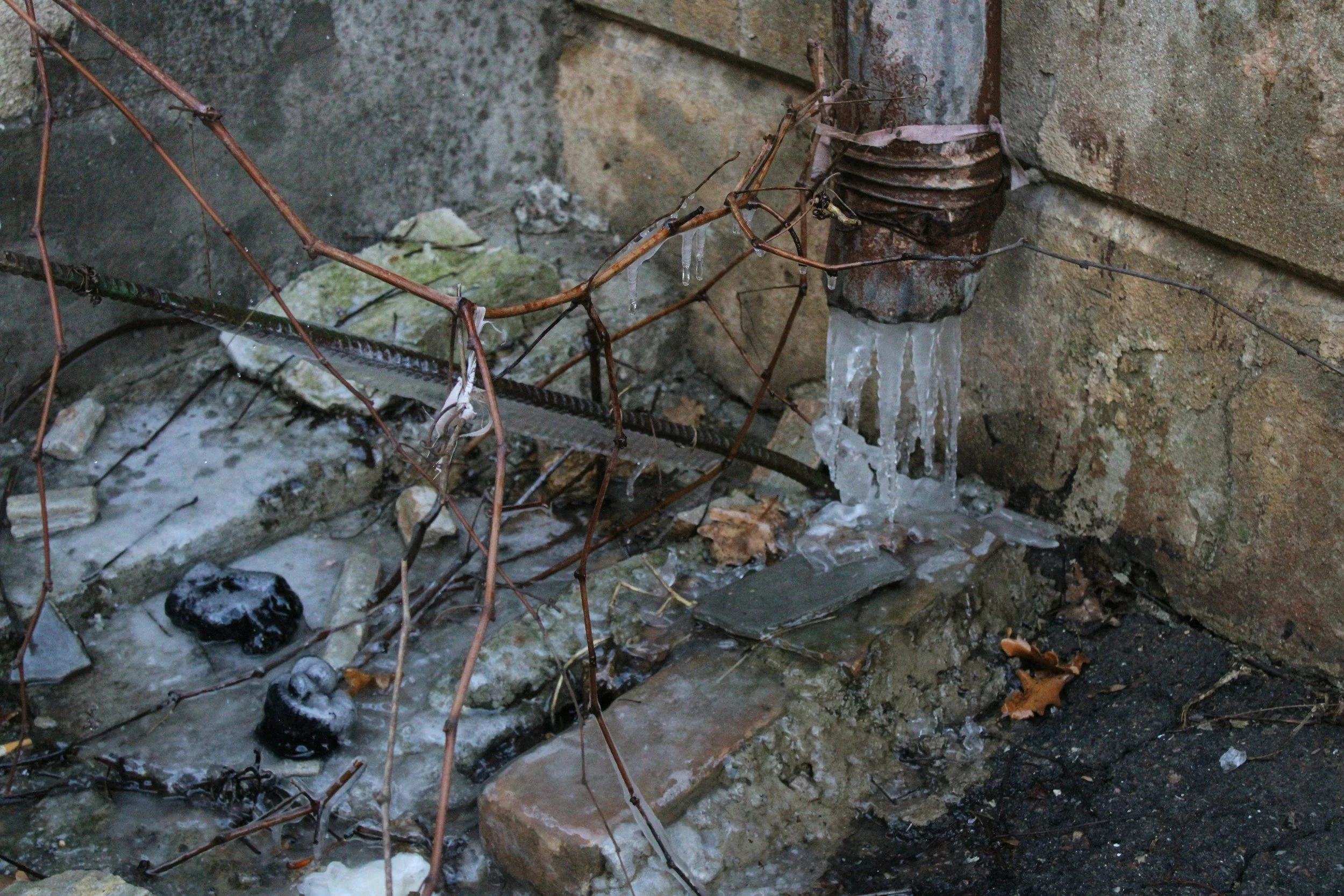
A frozen pipe that bursts suddenly may be covered, while damage caused by long-term freezing conditions, slow leaks, or vacant property issues may be limited or excluded.
Winter claims frequently reveal that coverage decisions hinge on details homeowners never realized mattered.
Roof Claims Highlight the Difference Between Damage and Deterioration
Roof-related claims spike during winter months due to snow load, ice dams, and wind-driven weather. These claims often lead to difficult conversations.
Insurance is designed to respond to sudden, accidental damage, not ongoing wear and tear. Winter conditions can expose pre-existing roof issues that were not previously visible.
Homeowners are often surprised to learn that:
Insurance does not typically cover aging or deteriorated roofing
Ice dam damage may involve both covered and uncovered components
Maintenance history can affect how a claim is evaluated
Winter claims frequently reveal that insurance coverage is not a maintenance plan. It is a financial safety net designed to respond to specific types of loss.
Understanding this distinction ahead of time can prevent frustration when claims are reviewed.
Liability Claims Become More Serious in Winter
Slip and fall claims are one of the most underestimated winter risks for homeowners.
Snow and ice create conditions where visitors, delivery drivers, and even neighbors can be injured on a property. Many homeowners assume these incidents are minor or unlikely to escalate.
Winter liability claims often reveal:
Medical costs add up quickly
Legal defense expenses matter as much as settlement amounts
Liability limits chosen years ago may no longer be adequate
Liability coverage is often set and forgotten. Winter claims bring it back into focus by showing how quickly exposure can grow, even from a single incident.
These claims are not about weather itself. They are about responsibility and financial protection.
Auto Claims Reveal Coverage Decisions Made Long Ago
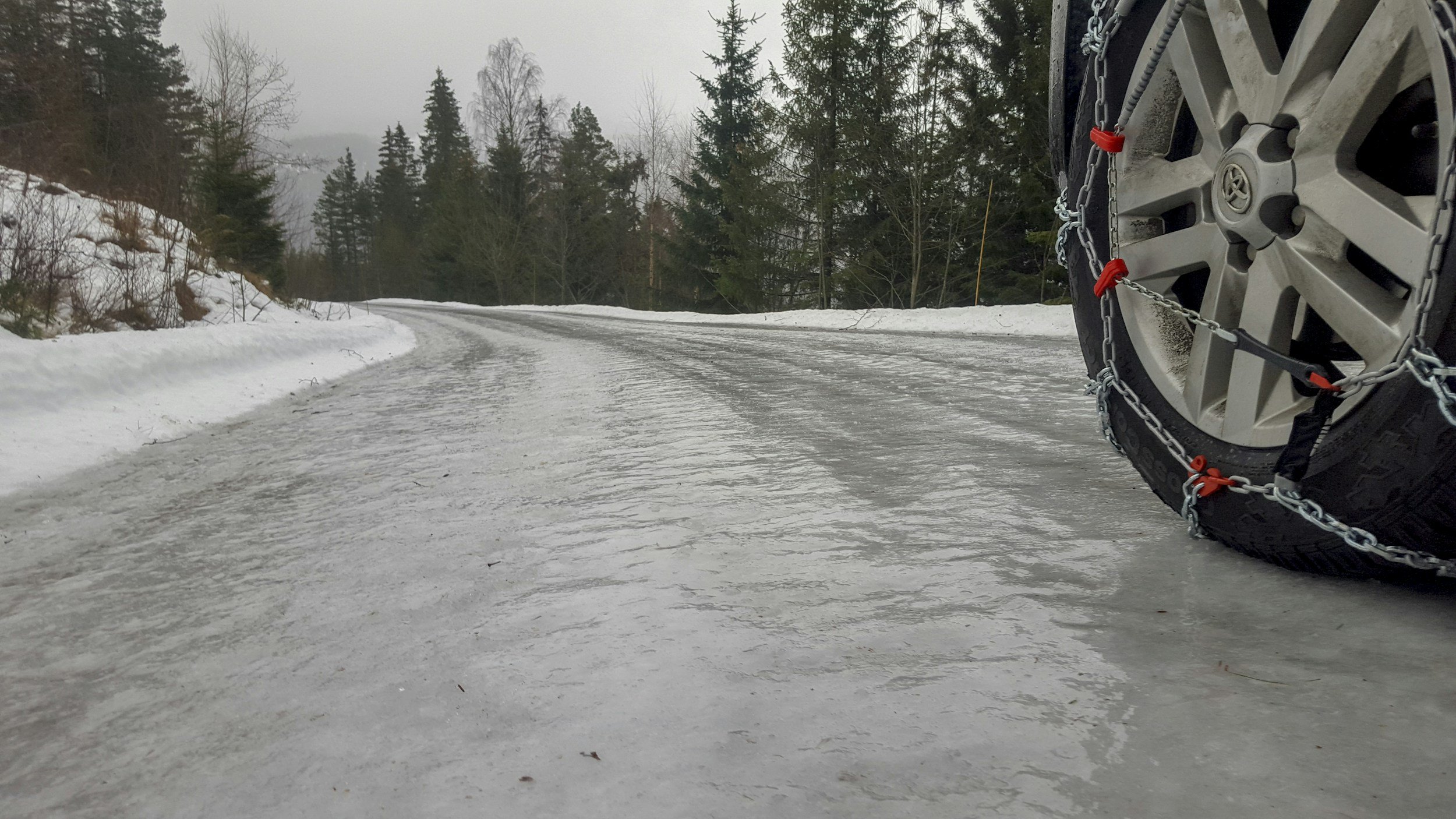
Winter driving conditions increase the likelihood of auto claims, but many of the surprises policyholders face are unrelated to the accident itself.
Common discoveries during winter auto claims include:
Deductibles higher than expected
Limited or missing rental reimbursement
Insufficient medical coverage
Misunderstood collision or comprehensive coverage
Winter accidents often expose coverage decisions made when vehicles, driving habits, or household needs were different.
Claims do not just test driving skills. They test whether coverage has kept pace with changes over time.
Secondary Damage Complicates Winter Claims
Winter losses often involve more than one issue occurring at once.
For example:
A power outage leads to frozen pipes
Frozen pipes cause water damage
Water damage affects flooring, walls, and electrical systems
Repairs are delayed due to weather and contractor availability
Secondary damage can complicate claims and increase costs. It can also expose coverage limitations related to timing, mitigation, and policy responsibilities.
Winter claims tend to feel more stressful because multiple systems are affected simultaneously, and resolution often takes longer.
Why Winter Claims Feel More Frustrating Than Other Losses
Winter losses often come with added challenges:
Delayed discovery of damage
Limited access for repairs
Higher labor and material costs
Temporary displacement from the home
When coverage expectations are unclear, stress increases. Many homeowners assume insurance will “just take care of it,” without understanding how deductibles, limits, or exclusions apply.
Winter claims reveal that insurance works best when expectations are clear before a loss happens, not after.
What Winter Claims Teach About Policy Reviews
One of the most consistent lessons from winter claims is the importance of regular policy reviews.
A proactive review helps homeowners understand:
What types of winter damage are covered
How deductibles apply
Where limits may fall short
What responsibilities fall on the homeowner
How liability coverage protects them
Winter claims are not failures. They are reminders that insurance is a living part of financial planning, not a static document.

Learning From Claims Without Experiencing One
You do not need to experience a winter loss to learn from winter claims.
Understanding how claims typically unfold allows homeowners to:
Ask better questions
Make informed coverage decisions
Adjust expectations realistically
Avoid surprises during stressful situations
Insurance should provide confidence, not confusion. Winter claims show where clarity matters most.
Winter Claims Are a Signal to Revisit Assumptions
Winter does not create coverage gaps. It reveals them.
For many homeowners, winter losses are the first time assumptions are tested. Those assumptions may have gone unchallenged for years.
A thoughtful review can turn those lessons into long-term protection.
