

Why Insurance Rates Are Still Rising in 2026, and What Pennsylvania Families Can Control

Many Pennsylvania policyholders entered 2026 hoping for relief from rising insurance costs. Instead, many are seeing premiums remain elevated, or increase again.
While this can feel frustrating, rate increases are not random. They are the result of broader economic pressures, claim trends, and risk factors that continue to affect the insurance industry nationwide and locally.
Understanding why rates are still rising, and what you can realistically control, helps you make smarter coverage decisions instead of reacting out of frustration.
The Real Reasons Insurance Rates Continue to Rise
Insurance pricing is driven by long-term trends, not short-term headlines. Several forces are still shaping rates in 2026.
Higher Claim Costs Across the Board
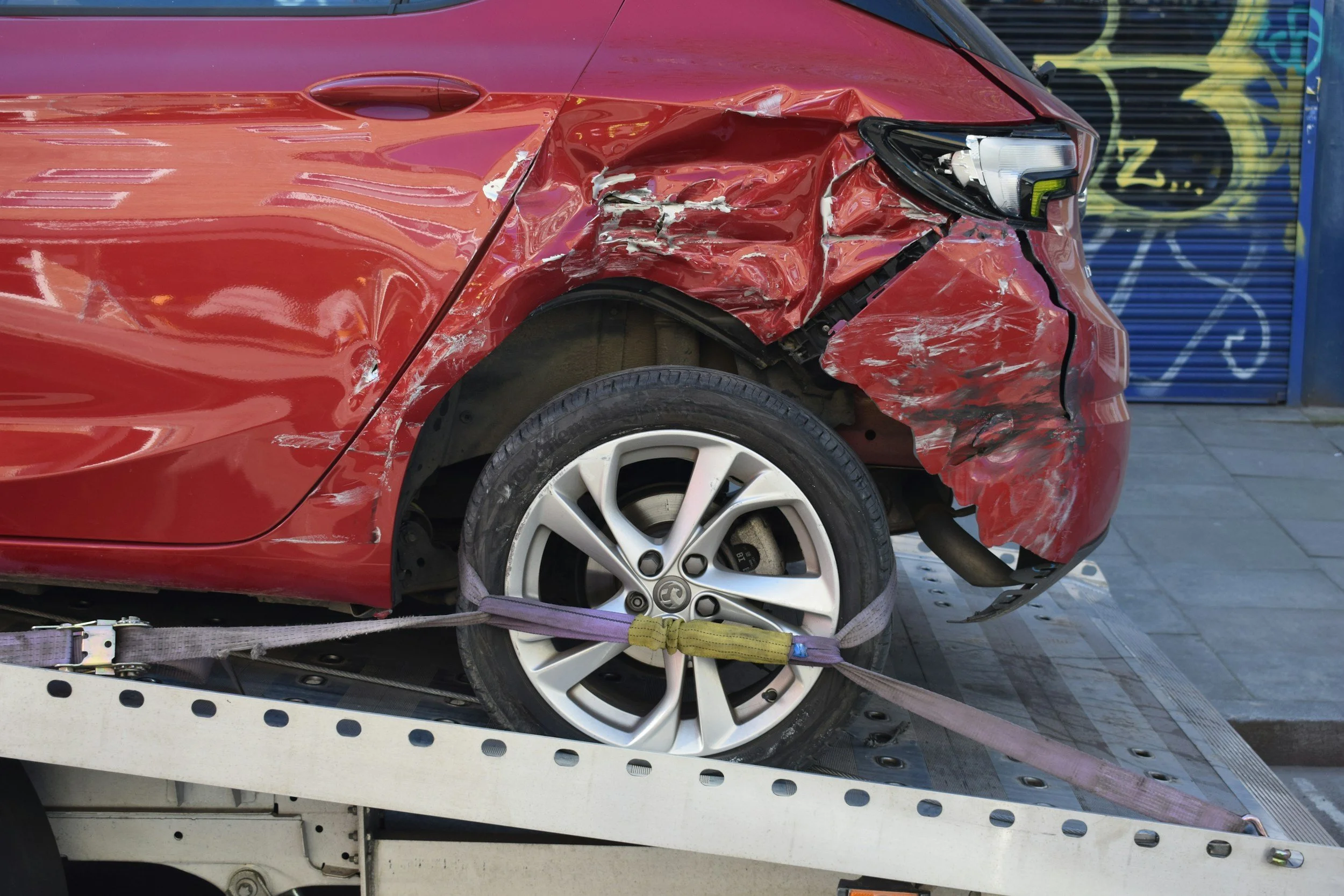
The cost to repair vehicles and homes has increased significantly over the past few years. Labor shortages, material prices, and longer repair timelines all contribute to higher claim payouts.
When claims cost more to settle, premiums adjust accordingly.
More Severe and Frequent Losses
Weather-related losses continue to increase in both frequency and severity. Pennsylvania has seen more claims tied to storms, flooding, freeze damage, and wind events, all of which affect carrier risk calculations.
Medical and Liability Inflation
Auto accidents and liability claims now involve higher medical expenses and legal costs. Even minor accidents can result in substantial payouts, which directly impacts auto insurance rates.
Carrier Underwriting Tightening
Many insurance companies are tightening underwriting standards after years of higher losses. This can mean fewer discounts, stricter eligibility, and higher pricing for certain risk profiles.
Why Shopping Around Is Not Always the Answer
Many policyholders assume switching carriers is the fastest way to lower premiums. While shopping can sometimes help, it is not always the best or safest solution.
Constantly moving between carriers can:
Reset loyalty or claims-free discounts
Reduce coverage stability
Increase the risk of missed coverage gaps
Lead to higher long-term costs
A better approach is understanding how your current policy is structured and whether adjustments can be made responsibly.
What You Can Control in 2026
While no one can control the insurance market, there are areas where policyholders still have meaningful influence.
Coverage Structure
Reviewing limits, endorsements, and optional coverages ensures you are not paying for protection you do not need, or missing coverage you should have.
Deductible Strategy
Adjusting deductibles can help manage premiums, but only when done with a clear understanding of out-of-pocket risk.
Discounts and Eligibility
Many discounts are tied to life changes, technology, or bundling opportunities that policyholders may not realize they qualify for.
Accurate Property Values
Outdated home replacement costs or vehicle usage information can result in pricing that no longer reflects reality.

Why Annual Reviews Matter More During Rising Rate Cycles
When rates are stable, small inefficiencies go unnoticed. During rising rate cycles, those inefficiencies become expensive.
An annual review helps:
Identify coverage overlaps
Ensure limits align with current assets
Adjust policies proactively instead of reactively
Avoid unpleasant surprises at renewal
The goal is not to cut corners. It is to maintain strong protection while being intentional about how your coverage is built.

Rising Rates Do Not Mean You Are Out of Options
Insurance is still a critical financial safeguard, especially during uncertain times. While premiums may remain elevated, informed decisions can make a meaningful difference.
Understanding the forces behind rate increases allows you to focus on what matters most, proper coverage, thoughtful adjustments, and long-term protection for your household or business.
If you have questions about your current policy or upcoming renewal, a review can help clarify what has changed and what options may be available.
