

Summer Storms, Lightning, and Power Surges: What Homeowners Coverage Does and Doesn't Pay
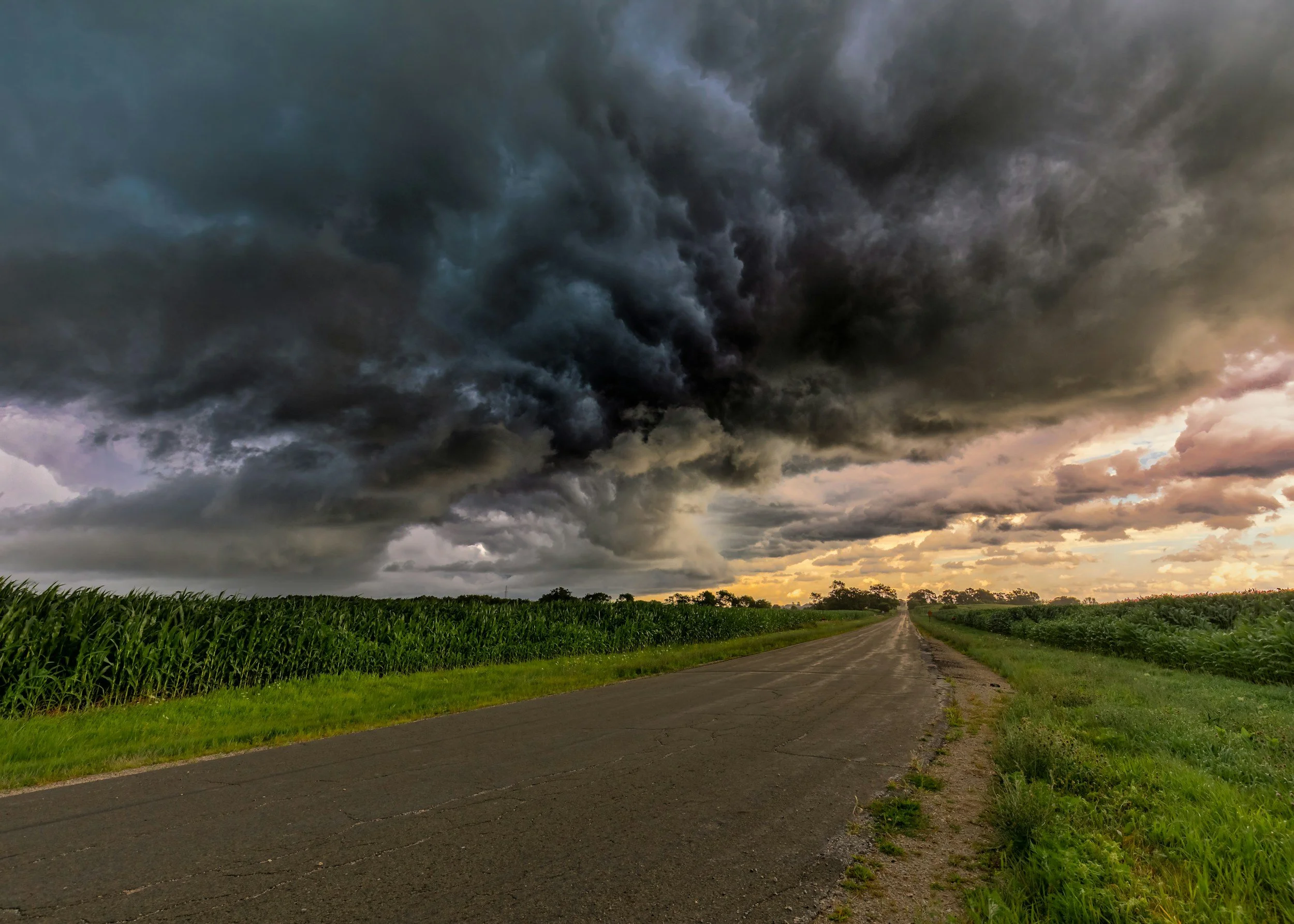
Late June marks the start of thunderstorm season across Cambria County and much of Pennsylvania, when warm afternoons give way to sudden storms that roll through with little warning. Most of the attention goes to wind and water, but the electrical side of a storm can be just as costly. A single lightning strike or power surge can damage the systems that run a modern home. Reviewing your personal coverage now is a smart move before the heaviest storm weeks arrive.
A standard homeowners policy generally covers fire and many forms of damage caused by a lightning strike, and some policies extend to power surges that follow a strike. Coverage for food spoilage and for surges that originate on the power grid is far less consistent, which is why it pays to understand the details before a storm hits. This post focuses on the electrical risks of summer storms rather than the flooding and water intrusion covered in our earlier spring articles.
Summer Is Peak Season for Lightning in Pennsylvania
Lightning is far more common than many homeowners realize. According to the National Oceanic and Atmospheric Administration, about 25 million lightning flashes reach the ground across the United States each year, and activity peaks during the summer months from June through August. You can read more on the agency's lightning overview. That timing lines up with the warm, humid afternoons that produce Pennsylvania's strongest storms, which makes early summer the right time to confirm your home is protected.
What Lightning Damage a Homeowners Policy Covers
The good news is that the most serious lightning damage is usually covered. A standard homeowners policy pays for fire caused by a lightning strike, along with the related structural damage. The Insurance Information Institute reports that insurers paid about $1.04 billion in lightning-related homeowners claims in 2024, with a national average of roughly $18,600 per claim. You can see the full figures on the Institute's lightning facts page. Many policies also cover damage to appliances and electronics when a lightning strike sends a surge through the home's wiring, though the specifics vary from one policy to the next.
Power Surges and Your Electronics
Not every power surge comes from lightning. A surge can also originate on the utility grid or from large appliances cycling on and off inside the home. Coverage for surge damage depends heavily on the source and on your specific policy. A surge that results directly from a lightning strike is often covered, while a surge that comes from the grid may not be. This distinction matters more every year, because today's connected homes pack expensive electronics into nearly every room, and a single surge can damage several devices at once.
Food Spoilage and Extended Outages
A long power outage can empty a full refrigerator and freezer in a matter of hours. Some homeowners policies include limited coverage for food spoilage when an outage results from a covered peril, often up to a set dollar amount. Other policies require an endorsement to add this protection, and many exclude spoilage caused by a general grid outage. Because the rules differ so widely, it is worth asking your agent exactly how your policy treats food loss before the next big storm.
Steps to Protect Your Home Before the Next Storm
A few practical measures reduce both the risk and the headache of storm-related electrical damage.
A whole-home surge protector installed at the electrical panel guards against many surges before they reach your outlets.
Point-of-use surge protectors add a second layer of defense for computers and other sensitive electronics.
Keeping a simple inventory of your major electronics makes any future claim faster and smoother.
Unplugging sensitive devices during a severe storm remains one of the cheapest ways to avoid damage.
Frequently Asked Questions
-
Yes. A standard homeowners policy covers fire and most direct damage from a lightning strike, including resulting harm to the structure of your home.
-
It depends on the cause. Surges that result directly from a lightning strike are frequently covered, while surges that originate on the power grid may require additional coverage.
-
Some policies include limited food spoilage coverage when the outage stems from a covered event, but others require an endorsement, so you should confirm the details with your agent.
Be Ready Before the Next Storm Rolls In
Summer storms are a fact of life in Pennsylvania, and a little preparation goes a long way toward protecting your home and your electronics. The team at Ebensburg Insurance Agency helps homeowners throughout Cambria County and nearby communities like Carrolltown and Northern Cambria review their coverage and close any gaps before storm season peaks. As an independent agency, we compare multiple options so your policy fits the way you actually live. Contact us today to schedule a quick coverage review before the next round of storms.
