

Spring Rain and Water Damage: What Pennsylvania Homeowners Need to Know About Insurance Coverage
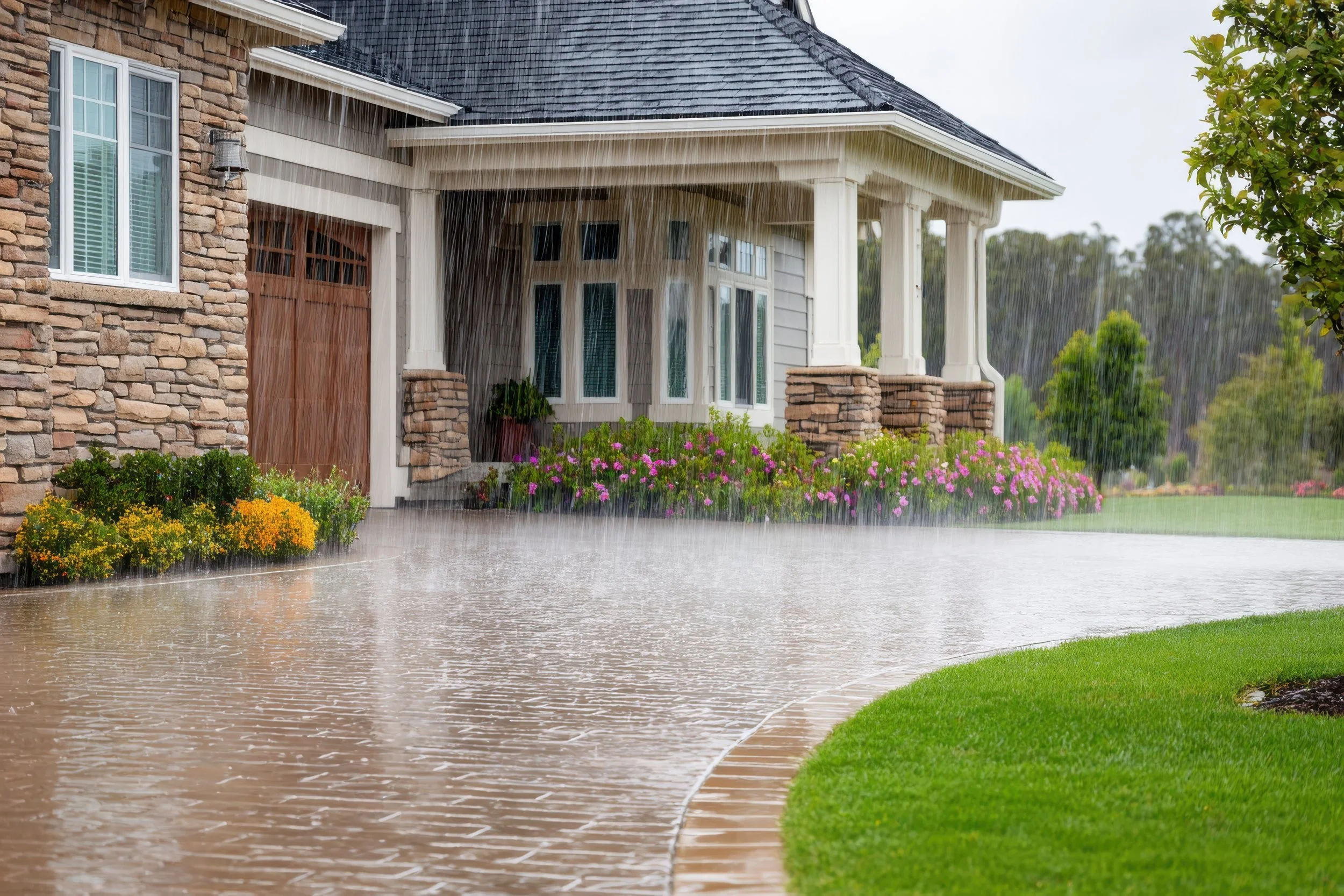
Spring brings warmer weather and blooming flowers to Pennsylvania - but it also brings heavy rainfall, snowmelt, and the increased risk of water damage to homes across the region. From basement flooding to roof leaks, spring storms can create costly problems for homeowners who aren't properly prepared or insured.
Understanding what your homeowners insurance covers when it comes to water damage is essential, especially during Pennsylvania's unpredictable spring weather. Not all water damage is treated the same way by insurance companies, and knowing the difference can save you thousands of dollars.
Why Spring Is High Season for Water Damage in Pennsylvania
Pennsylvania homeowners face unique challenges during spring:
Heavy rainfall: Spring storms can drop several inches of rain in short periods, overwhelming drainage systems and gutters.
Snowmelt: Rapid temperature swings cause snow and ice to melt quickly, saturating the ground and increasing runoff.
Frozen ground thaw: When frozen soil begins to thaw, it cannot absorb water as quickly, leading to pooling around foundations.
Ice dam damage: Lingering winter ice dams can cause water to back up under shingles as temperatures rise.
These seasonal factors make spring one of the most common times for water-related insurance claims in Pennsylvania.
What Homeowners Insurance Typically Covers
Standard homeowners insurance generally covers water damage that is sudden and accidental. This includes:
Roof leaks from storm damage: If high winds or hail damage your roof and rain enters your home, this is usually covered.
Burst pipes: Pipes that freeze and burst during late-winter cold snaps are typically covered, along with the resulting water damage.
Appliance malfunctions: A washing machine hose that ruptures or a water heater that fails unexpectedly may be covered under your policy.
Ice dam damage: Many policies cover damage caused by ice dams if the policy includes coverage for the weight of ice, snow, or sleet.
The key factor is whether the damage happened quickly and unexpectedly, rather than over time due to neglect or poor maintenance.
What Homeowners Insurance Usually Does NOT Cover
There are important exclusions in most homeowners policies when it comes to water damage:
Flooding from external sources: If spring rains cause a nearby creek to overflow, or if heavy rain causes water to enter through windows or under doors, this is considered flooding and requires a separate flood insurance policy.
Groundwater seepage: Water that enters your basement through cracks in the foundation or seeps through walls due to saturated soil is typically not covered.
Sewer or drain backups: If heavy rain overwhelms municipal sewer systems and causes a backup into your home, this is usually excluded unless you have purchased optional sewer backup coverage.
Gradual damage or neglect: Water damage that occurs slowly over time - such as from a leaking roof that was never repaired - is generally not covered.
Understanding these exclusions is critical for Pennsylvania homeowners, especially those living in flood-prone areas or near rivers and streams.
The Difference Between Flood Insurance and Homeowners Insurance
Many homeowners mistakenly believe their standard homeowners policy will cover all water-related damage. In reality, flood damage requires a separate flood insurance policy, typically purchased through the National Flood Insurance Program (NFIP) or a private insurer.
Flood insurance covers:
Water that enters your home from outside due to rising water, heavy rain, or overflowing bodies of water
Damage to your home's structure and certain personal property
Basement flooding caused by surface water entering the home
Even if you don't live in a designated flood zone, flood insurance can be a smart investment in Pennsylvania, where spring storms and sudden downpours are common.
Important note: Flood insurance policies typically have a 30-day waiting period before coverage begins, so it's essential to purchase a policy well before spring storm season arrives.
Sewer Backup Coverage: An Often-Overlooked Add-On
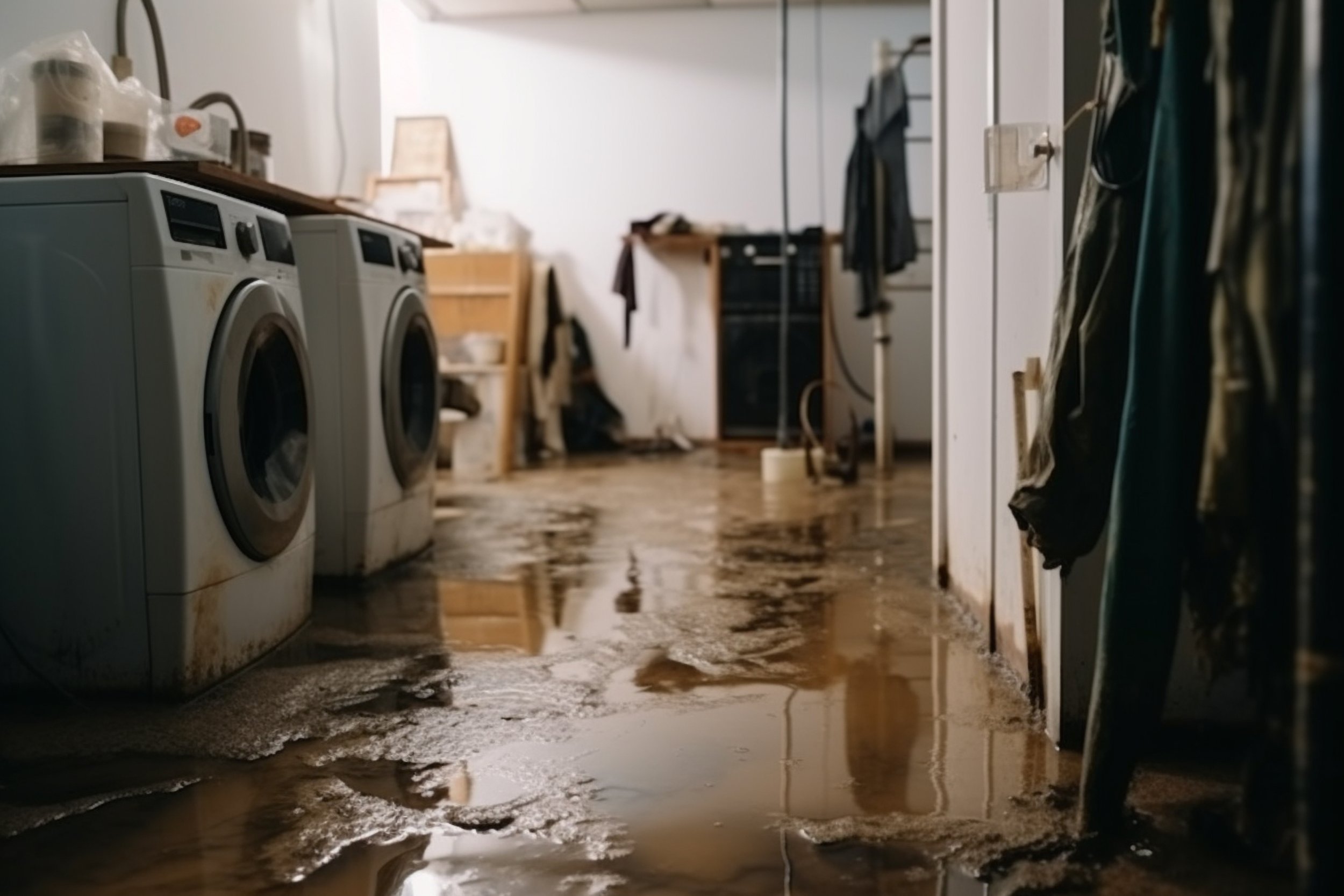
Sewer and drain backup coverage is a relatively inexpensive endorsement that can save homeowners thousands of dollars. During heavy spring rains, municipal sewer systems can become overwhelmed, causing sewage to back up into basements and lower levels.
This optional coverage typically costs between $50 and $100 per year and can cover:
Cleanup and restoration costs
Damaged personal property
Structural repairs to affected areas
If your home has experienced sewer backups in the past, or if you live in an area with aging infrastructure, this coverage is worth considering.
Steps to Protect Your Home Before Spring Storms Hit
Prevention is always better than filing a claim. Here are practical steps Pennsylvania homeowners can take to minimize water damage risk:
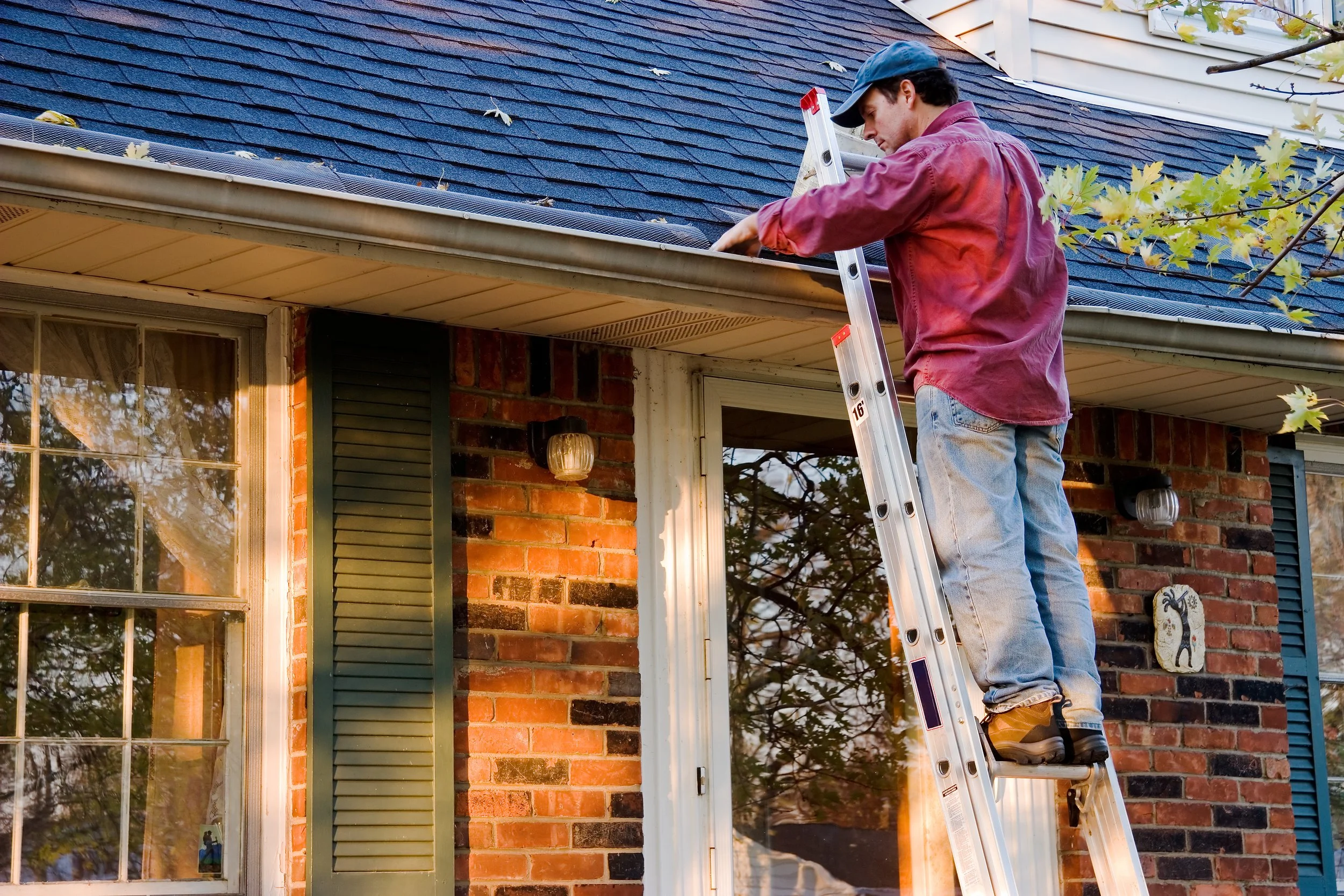
Inspect and clean gutters: Clogged gutters can cause water to overflow and pool around your foundation.
Check your roof: Look for missing or damaged shingles and repair them before heavy rains arrive.
Seal foundation cracks: Even small cracks can allow water to seep into basements during heavy rain.
Test your sump pump: Make sure it's functioning properly and consider installing a battery backup system.
Grade your yard properly: Ensure the ground slopes away from your foundation to direct water away from your home.
Install window well covers: Prevent water from pooling in basement window wells.
Taking these steps now can help you avoid a costly claim - and the headache of dealing with water damage - later. For more detailed guidance on preparing your home for flooding and severe weather, visit Ready.gov's flood preparedness resources.
What to Do If You Experience Water Damage
If spring rains cause water damage to your home, acting quickly can help minimize the damage and streamline the claims process:
Stop the source: If possible, stop the water from entering your home or shut off the water supply if a pipe has burst.
Document everything: Take photos and videos of the damage before beginning cleanup.
Contact your insurance agent: Report the claim as soon as possible and ask about coverage specifics.
Mitigate further damage: Remove standing water, move belongings to dry areas, and begin drying out affected spaces.
Keep receipts: Save documentation of any emergency repairs or temporary housing expenses.
Your insurance company may send an adjuster to assess the damage, so preserving evidence and acting quickly to prevent further loss is essential.
Protect Your Home This Spring
Spring rains are a fact of life in Pennsylvania, but water damage doesn't have to be. Understanding what your homeowners insurance covers - and what it doesn't - can help you make informed decisions about additional coverage like flood insurance and sewer backup protection.
At Ebensburg Insurance Agency, we help Pennsylvania homeowners navigate their coverage options and find the protection that fits their needs and budget. Whether you're reviewing your current policy or shopping for better coverage, we're here to help.
Contact us today to review your homeowners insurance and make sure you're protected before the next spring storm hits.
