

Spring Home Maintenance Checklist: Preventing Insurance Claims Before They Happen
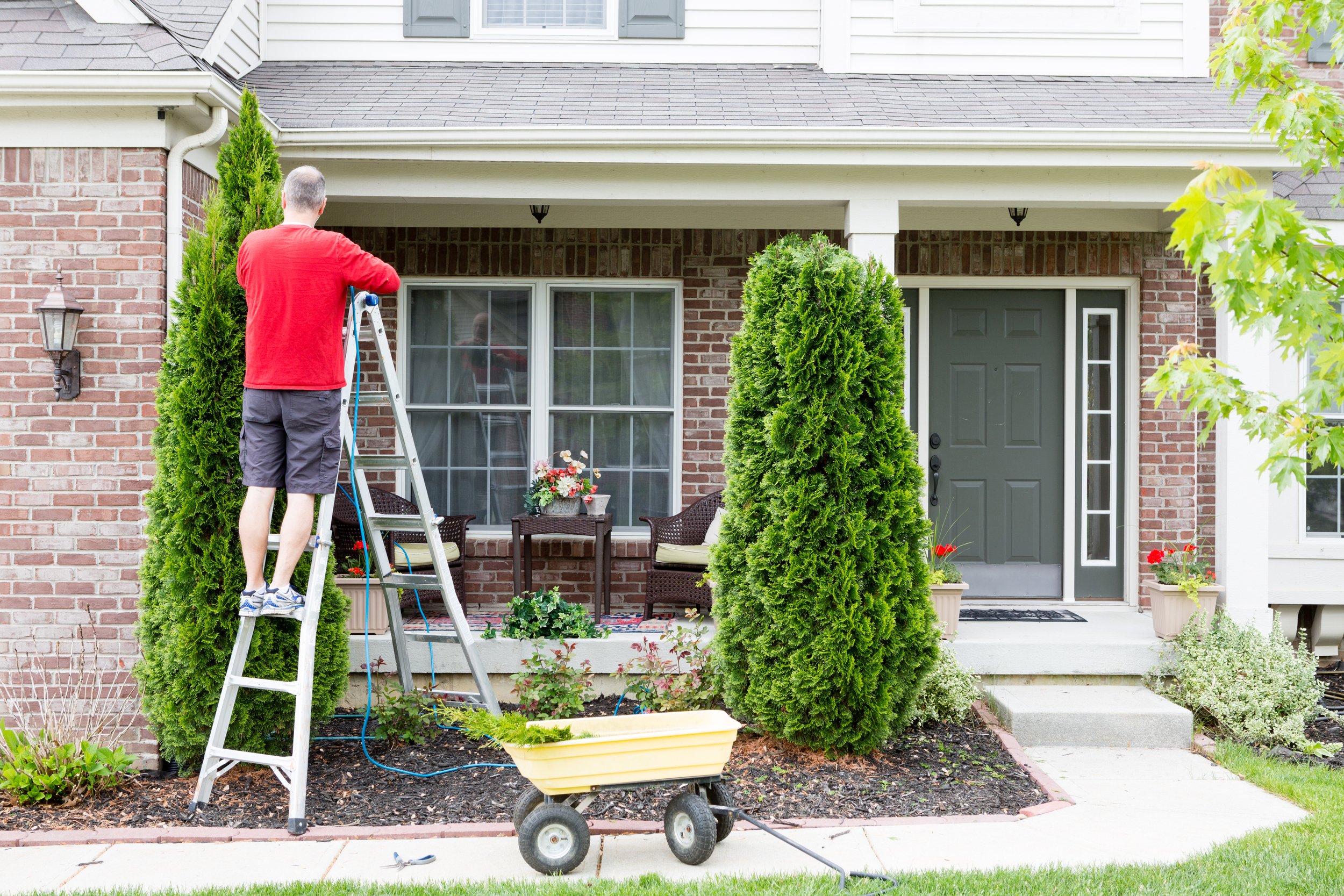
Spring in Pennsylvania brings warmer weather and a fresh start after a long winter. It's also the perfect time to inspect your home for damage caused by cold temperatures, ice, snow, and freeze-thaw cycles. A few hours of preventive maintenance now can save you thousands of dollars in insurance claims - and help you avoid coverage denials for damage that results from neglect.
Homeowners insurance covers sudden and accidental damage, but it does not cover gradual deterioration or problems that develop because of poor maintenance. By addressing small issues before they become big problems, you protect both your home and your wallet.
Why Spring Maintenance Matters for Insurance Coverage
Insurance companies expect homeowners to maintain their property in good condition. When damage occurs due to deferred maintenance, such as a roof leak that worsens over time or foundation cracks left unrepaired, insurers may deny the claim.
Spring maintenance helps you:
Catch winter damage early before it worsens
Document the condition of your home for insurance purposes
Prevent water damage, mold, and structural issues
Avoid claim denials related to maintenance neglect
Maintain your home's value and safety
Think of spring maintenance as an investment in both your home and your insurance protection.
Exterior Maintenance Checklist
1. Inspect Your Roof
Winter weather can damage shingles, flashing, and roof structures. From the ground or using binoculars, look for:
Missing, cracked, or curling shingles
Damaged or loose flashing around chimneys and vents
Granules from asphalt shingles in gutters or on the ground
Sagging areas that could indicate structural damage
Why it matters for insurance: A small roof leak that goes unrepaired can cause extensive water damage, mold growth, and ceiling collapse. If the insurer determines the leak existed for months without being fixed, they may deny coverage for the resulting damage.
If you spot damage, contact a licensed roofer for a professional inspection and repair estimate.
2. Clean and Repair Gutters and Downspouts
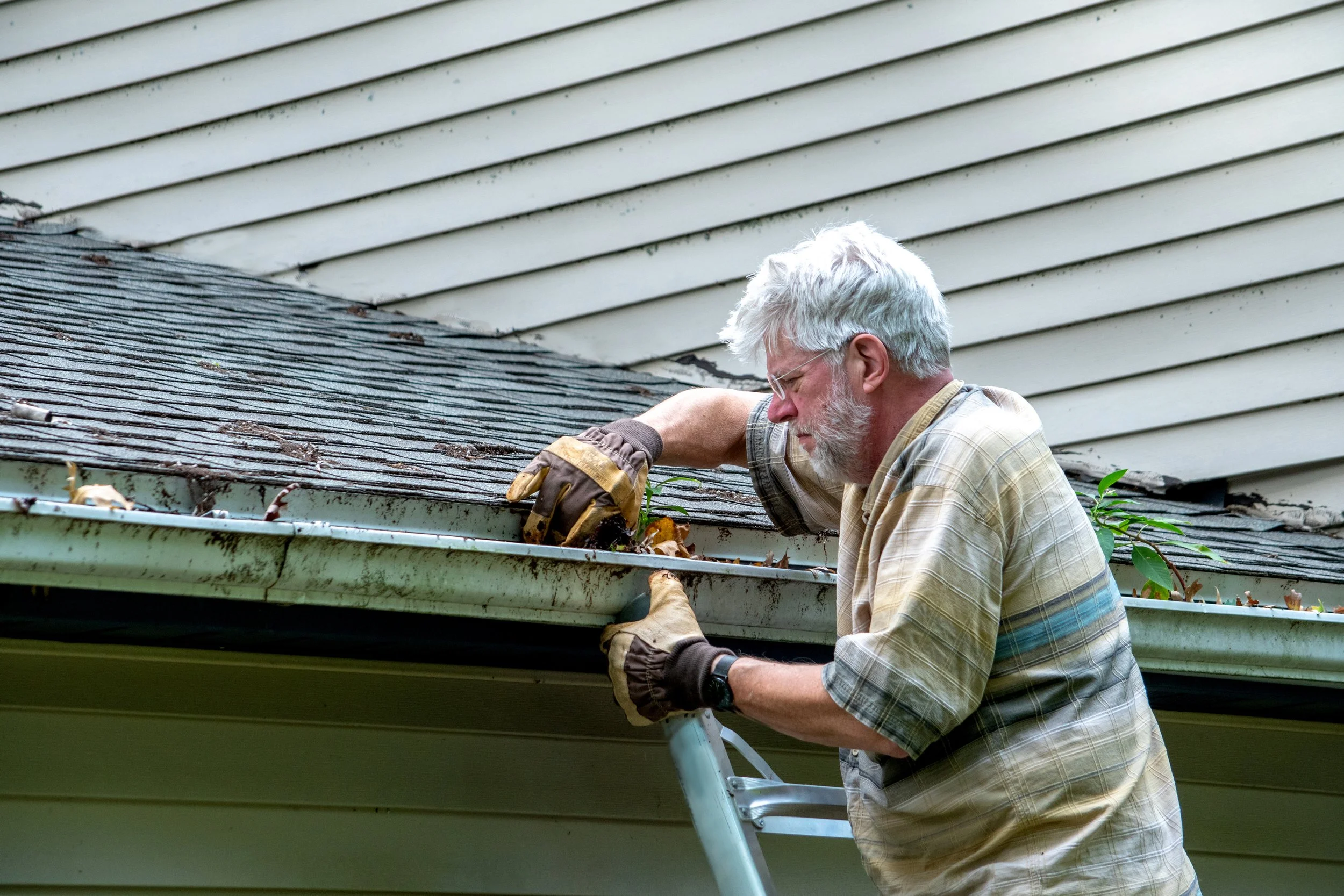
Clogged gutters can cause water to overflow and pool around your foundation, leading to basement flooding and structural damage.
Remove leaves, debris, and buildup from gutters
Check for sagging or detached sections
Ensure downspouts direct water at least 5-10 feet away from your foundation
Consider installing gutter guards to reduce future maintenance
Why it matters for insurance: Water damage from clogged gutters is often considered preventable. If an adjuster finds your gutters were neglected, your claim for foundation damage or basement flooding may be denied.
3. Check Your Foundation
Walk around your home and inspect the foundation for:
New or widening cracks
Separation between the foundation and exterior walls
Signs of water seepage or efflorescence (white, chalky deposits)
Soil settling or erosion near the foundation
Small hairline cracks are common and usually not a concern, but larger cracks or horizontal cracks should be evaluated by a professional.
Why it matters for insurance: Foundation issues that develop slowly over time due to poor drainage or soil movement are typically not covered by homeowners insurance. Addressing drainage problems early can prevent costly foundation repairs.
4. Inspect Exterior Siding and Paint
Check for:
Cracked, warped, or missing siding
Peeling or blistering paint
Gaps or holes where pests could enter
Damaged caulking around windows and doors
Repair damaged siding and repaint areas where paint is failing. This protects the underlying structure from moisture damage.
5. Test Your Sump Pump
Spring rains and snowmelt put your sump pump to the test. Before heavy rains arrive:
Pour water into the sump pit to ensure the pump activates
Check the discharge line to make sure it's clear and directs water away from the house
Consider installing a battery backup system for power outages
Why it matters for insurance: Sump pump failure is a common cause of basement flooding. While some policies offer sump pump backup coverage as an add-on, you may need to prove the pump was properly maintained.
6. Trim Trees and Remove Debris
Winter storms can leave dead branches and weakened limbs that pose a risk during spring winds.
Remove dead or damaged branches near your home, roof, or power lines
Clear yard debris that could become projectiles in high winds
Hire a professional arborist for large trees or branches over power lines
Why it matters for insurance: If a dead tree or limb that you knew was hazardous falls and damages your home, your insurer may question whether the damage was preventable. Proactive tree maintenance demonstrates responsible homeownership.
Interior Maintenance Checklist
7. Check for Water Damage and Leaks
Inspect your home's interior for signs of water intrusion:
Water stains on ceilings or walls
Musty odors that could indicate hidden moisture
Warped flooring or baseboards
Mold or mildew growth in bathrooms, basements, or attics
If you discover water damage, identify and fix the source immediately. Document the damage with photos and contact your insurance agent if needed.
8. Test Smoke Detectors and Carbon Monoxide Alarms
Spring is a good time to:
Test all smoke and CO detectors
Replace batteries (even if hardwired units have backup batteries)
Replace detectors that are 10 years old or older
Why it matters for insurance: Working smoke detectors are required by most insurance policies. In the event of a fire, non-functional detectors could complicate your claim and may even affect coverage.
9. Service Your HVAC System
Before you need air conditioning this summer:
Schedule a professional HVAC inspection and tune-up
Replace air filters
Clear debris from around outdoor units
Check for unusual noises or performance issues
Regular HVAC maintenance improves efficiency, extends equipment life, and can prevent breakdowns during extreme heat.
10. Inspect Plumbing
Check for:
Leaks under sinks, around toilets, and near water heaters
Corroded or damaged pipes
Slow drains that could indicate clogs
Water heater age and condition (most last 8-12 years)
Why it matters for insurance: A slow leak that worsens over time may not be covered if the insurer determines it should have been discovered and repaired earlier. Regular inspections help catch problems before they cause major damage.

Document Your Maintenance for Insurance Purposes
Keeping records of your home maintenance can be valuable if you ever need to file an insurance claim.
Take photos: Document the condition of your roof, foundation, and major systems before and after repairs.
Save receipts: Keep records of professional inspections, repairs, and upgrades.
Create a maintenance log: Track when you completed tasks like gutter cleaning, HVAC servicing, and roof inspections.
This documentation demonstrates that you maintained your home responsibly, which can strengthen your position if a claim is questioned.
For tips on creating a home inventory and documenting your property, visit the Insurance Information Institute's home inventory guide.
When to Call a Professional
Some maintenance tasks are best left to licensed professionals:
Roof inspections and repairs
Electrical system inspections
HVAC servicing
Foundation evaluations
Tree removal near structures or power lines
Hiring qualified contractors not only ensures the work is done correctly but also provides documentation that can be important for insurance purposes.
Protect Your Home and Your Coverage
Spring home maintenance is an investment in your property's longevity and your insurance protection. By addressing small issues before they become major problems, you reduce the risk of expensive repairs and claim denials. A well-maintained home is also more likely to pass insurance inspections and qualify for better rates.
At Ebensburg Insurance Agency, we help Pennsylvania homeowners understand their coverage and make informed decisions about protecting their homes. Whether you have questions about what your policy covers or need guidance on risk prevention, we're here to help.
Contact us today to review your homeowners insurance and ensure your coverage keeps pace with your home's value and condition.
