

My Neighbor’s Tree Fell on My House. Who’s Insurance Pays?
If your neighbor’s tree falls on your house, the first question most homeowners ask is simple and urgent: whose insurance pays for the damage? It seems logical that if the tree belonged to your neighbor, their homeowners insurance should cover the cost. In many cases, however, the answer is not that straightforward.
Understanding how homeowners insurance handles tree damage in Pennsylvania can help you respond quickly, avoid unnecessary conflict with your neighbor, and ensure your claim is handled properly.
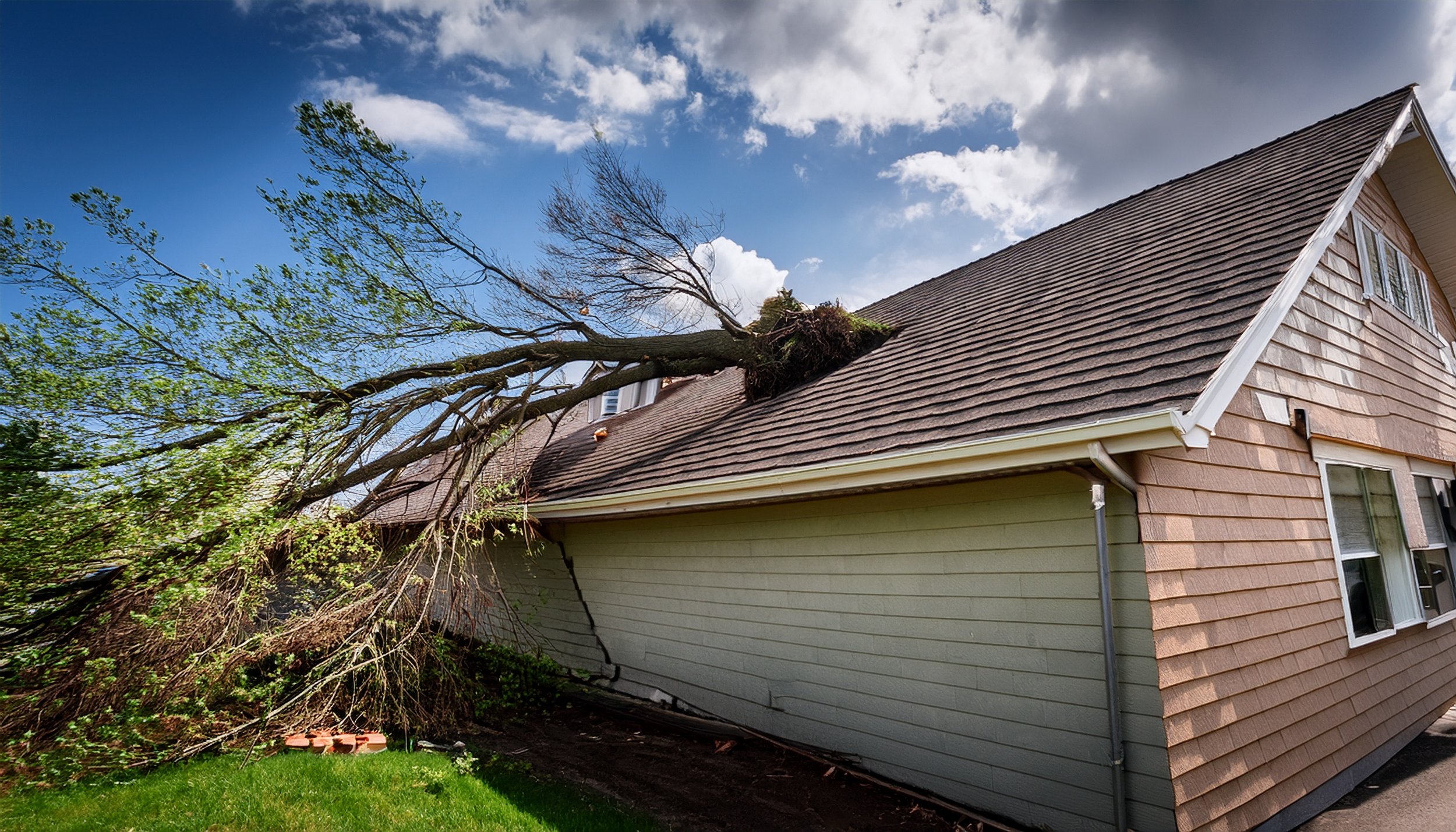
Does My Insurance or My Neighbor’s Insurance Cover the Damage?
In most situations, your homeowners insurance policy pays for damage to your home, even if the tree came from your neighbor’s yard. Home insurance generally follows the rule that coverage applies to the property that was damaged, not necessarily the property where the tree originated.
If a healthy tree falls due to a storm, wind, or another act of nature and damages your roof, siding, fence, or other covered structure, your homeowners insurance typically pays for repairs, minus your deductible.
This surprises many homeowners, but storm-related tree damage is usually considered a weather event rather than your neighbor’s liability.
When Would My Neighbor’s Insurance Be Responsible?
There are situations where your neighbor’s insurance could be responsible, but negligence must be involved.
If the tree was clearly dead, rotting, leaning dangerously, or previously identified as hazardous and your neighbor failed to address it, liability may shift to their homeowners insurance policy. In that case, you would need to demonstrate that your neighbor knew or reasonably should have known the tree posed a risk and failed to take action.
Proving negligence often requires documentation such as photos, written communication, or prior complaints about the tree’s condition. Without evidence of negligence, the default position is typically that your own home insurance covers the damage.

What If the Tree Was Partially on Both Properties?
Property line disputes can complicate tree damage claims. If a tree trunk sits directly on a property boundary, responsibility may depend on local property law and shared ownership rules. In most standard storm-related situations, however, each homeowner’s insurance covers their own property damage regardless of where the trunk stood.
If uncertainty exists about property lines, reviewing a survey or contacting your local municipality may help clarify ownership.
Does Homeowners Insurance Cover Tree Removal?
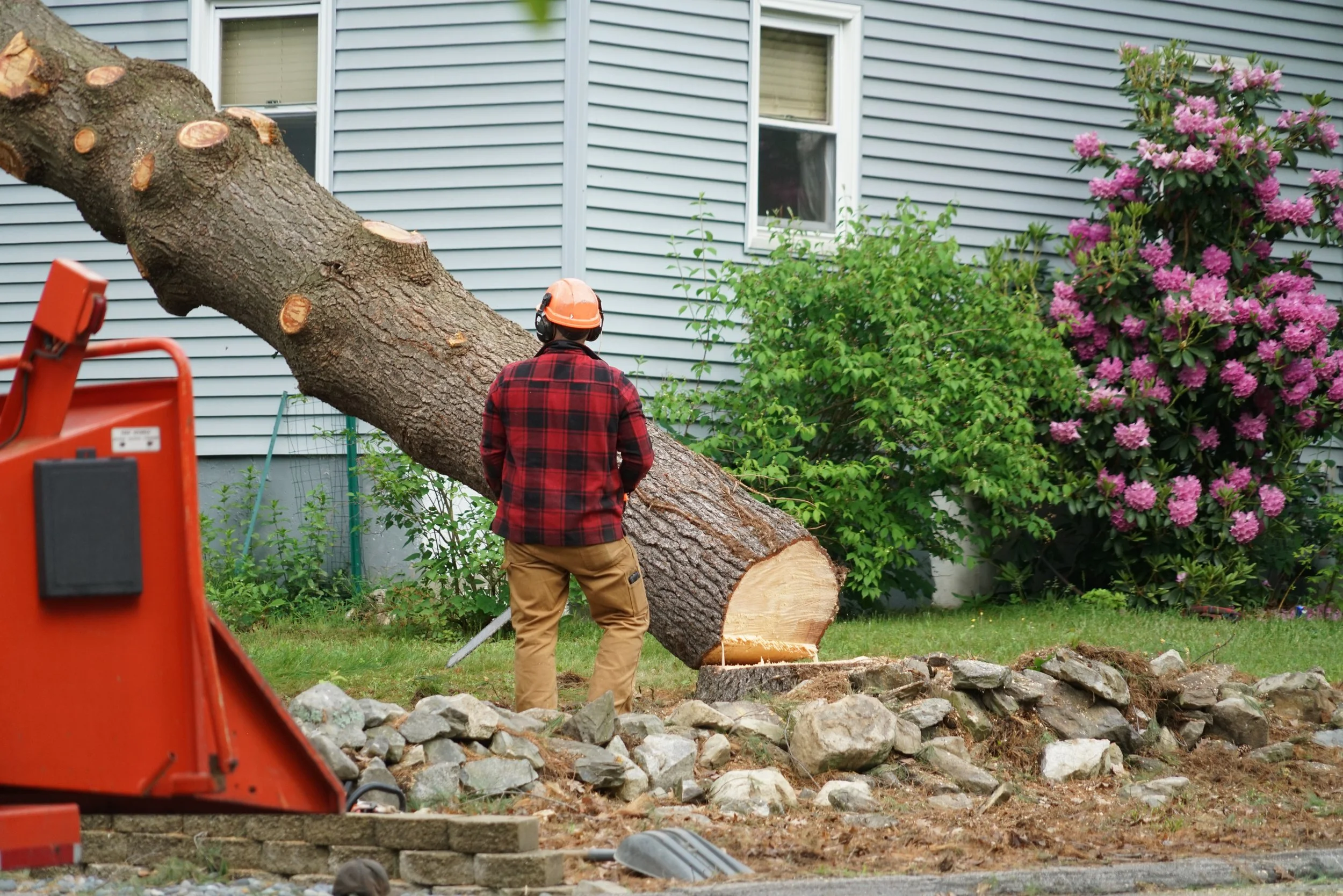
Homeowners insurance often covers tree removal if the tree damaged a covered structure such as your home, garage, or fence. Coverage may also apply if the fallen tree blocks a driveway or wheelchair-accessible ramp. However, policy limits typically apply to debris removal, and coverage may not extend to removing a tree that fell in your yard without causing structural damage.
If the tree did not damage a structure and simply fell in your yard, removal may be considered a maintenance expense rather than an insurance claim.
What Should I Do Immediately After a Tree Falls on My House?
Safety should always come first. If the tree caused structural damage, exposed electrical wiring, or created an unsafe condition, contact emergency services if necessary. Avoid climbing onto the roof or attempting major removal yourself.
Next, document the damage thoroughly. Take photos of the tree, the point of impact, and the surrounding area. Contact your insurance agent as soon as possible to report the claim and receive guidance on next steps. Many insurers will advise you on temporary repairs to prevent further damage while the claim is processed.
It is generally best to notify your insurance company first, even if you believe your neighbor may be responsible. Your insurer can investigate liability and determine whether subrogation against your neighbor’s insurance is appropriate.
Will Filing a Claim Raise My Premium?
Filing a homeowners insurance claim for storm damage may impact your premium at renewal, but this depends on multiple factors including claim history, regional storm trends, and overall risk exposure. If the damage is minor and close to your deductible amount, it may be worth discussing the financial implications with your agent before filing.
Each situation is unique, and the right decision depends on the extent of the damage and your policy details.
How Pennsylvania Weather Impacts Tree Damage Claims
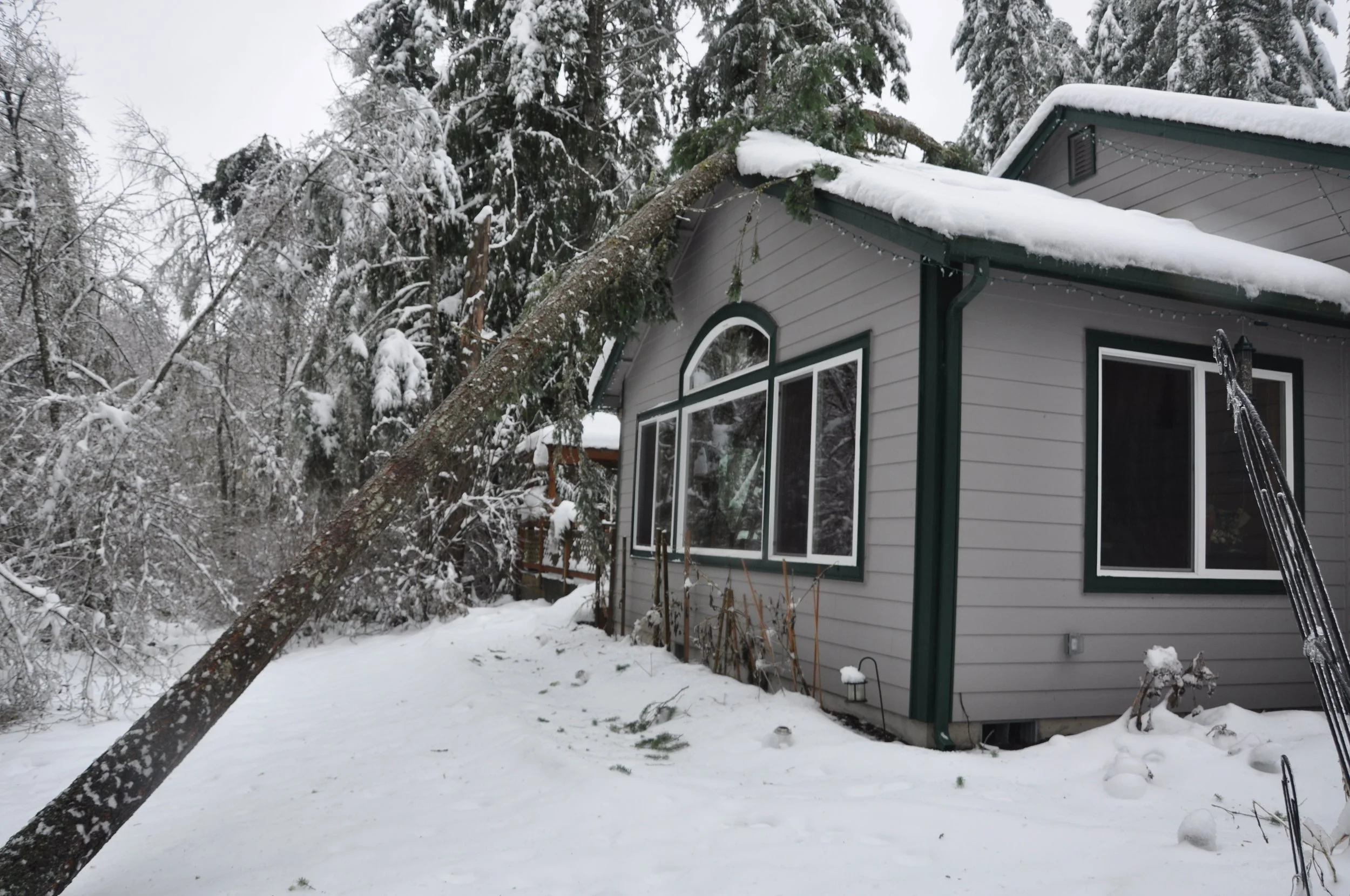
In Pennsylvania, windstorms, heavy snow, and ice accumulation are common causes of tree-related property damage. Because these events are typically classified as acts of nature, responsibility often falls to the homeowner whose property was damaged rather than the neighbor who owned the tree.
This is why reviewing your homeowners insurance coverage limits, deductible, and debris removal provisions before a storm season can help prevent confusion later.
Final Thoughts on Tree Damage and Insurance Responsibility
When your neighbor’s tree falls on your house, it is natural to assume their insurance will pay. In reality, homeowners insurance coverage usually applies to the damaged property first, and liability only shifts if negligence can be clearly proven.
If you are dealing with tree damage, uncertainty about liability, or questions about filing a homeowners insurance claim in Pennsylvania, do not rely on assumptions. Call Ebensburg Insurance today to speak with a local agent who can review your policy, explain your coverage, and guide you through the next steps with clarity and confidence.
